Resources
Practical guidance and public resources from AAVAC. Explore articles and downloads on avian veterinary care, bird health, welfare and responsible ownership.
Helpful information for bird owners,
professionals and the wider community
AAVAC’s public resources are designed to make important information easier to access and understand. Here you’ll find guidance on avian health, welfare, responsible bird ownership and key issues affecting birds, veterinary care and the community.
Some resources are written for bird owners and carers, while others provide formal guidance for professionals, policymakers, councils, welfare organisations and stakeholders seeking AAVAC’s position on specific topics.
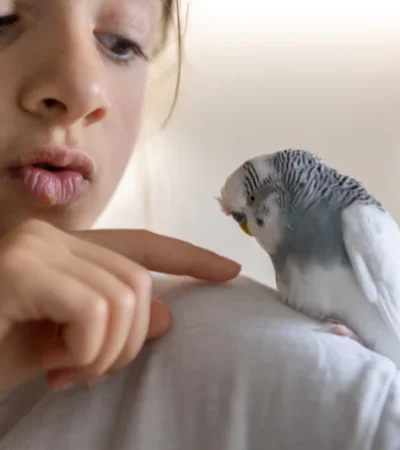
Pet Bird Welfare: How to Give Your Bird a Better Life
Discover how nutrition, enrichment, and expert care support a happier, healthier life for your bird.
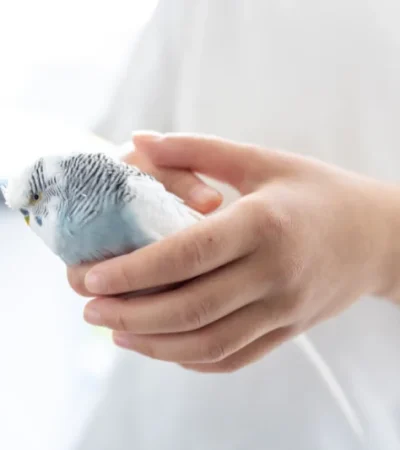
When Should You Book an Appointment with an Avian Vet?
Learn to spot early signs of bird illness and know exactly when to seek urgent avian veterinary care.
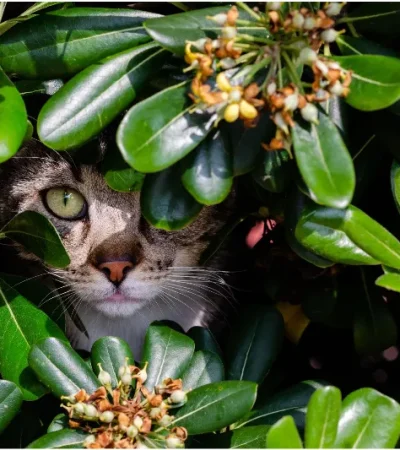
Cats, Birds and Wildlife: Why Containment Matters
Contained cats protect Australia’s native wildlife while ensuring a safer, healthier life for your pet.
Public resources
Browse public-facing resources on avian care, welfare and responsible ownership. These resources are designed to support better understanding, informed decision-making and more confident conversations with veterinary professionals.
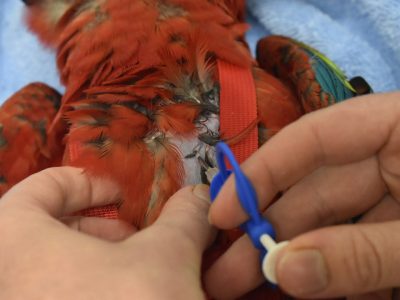
Microchipping
Learn why microchipping matters and how it supports identification, ownership responsibilities and safe bird return.
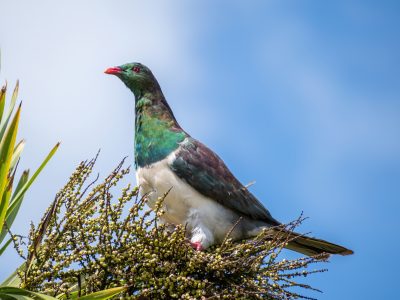 Public Resource
Euthanasia
Guidance to support understanding around euthanasia, end-of-life care and compassionate decision-making for birds.
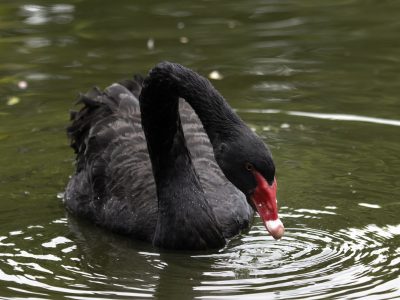 Public Resource
Position Statements
Access formal position statements on key issues affecting avian health, welfare, veterinary care and responsible bird ownership.
Looking for member resources?
AAVAC members can access additional resources, updates and professional materials through the member area, including member-only education, case rounds, newsletters and resource library content where available.
FAQs
What public bird care resources does AAVAC provide?
AAVAC provides public resources on avian care, bird welfare and responsible ownership. These may include practical guides, educational articles, position statements and information on topics such as microchipping, euthanasia and end-of-life care. The resources are designed to support informed decisions and more confident conversations with veterinary professionals.
Are AAVAC’s public resources suitable for bird owners?
Yes. The public resources are written for bird owners, carers and anyone looking for reliable information about avian health and welfare. They are intended to explain important topics clearly without requiring a veterinary background. Some resources may also be useful for veterinary teams when discussing care options with clients.
Can these resources replace advice from an avian veterinarian?
No. AAVAC’s public resources provide general information and should not replace advice from a veterinarian who has examined your bird. Every bird’s health, behaviour and care needs are different. If you are concerned about your bird, contact a veterinary clinic directly and ask whether they provide avian veterinary care.
Why is microchipping important for pet birds?
Microchipping can provide a permanent form of identification if a bird is lost, stolen or separated from its owner. Unlike a leg band, a microchip carries a unique identification number linked to ownership details. Speak with an avian veterinarian about whether microchipping is suitable for your bird and how registration details should be maintained.
Where can I find information about bird euthanasia and end-of-life care?
AAVAC provides public information to help bird owners better understand euthanasia, quality-of-life considerations and compassionate end-of-life care. These resources can help you prepare questions and discuss your bird’s comfort with your veterinarian. Decisions about euthanasia should always be made with professional veterinary guidance.
What are AAVAC position statements?
AAVAC position statements set out the association’s professional view on important issues affecting avian health, welfare, veterinary care and responsible bird ownership. They are informed by veterinary knowledge and professional discussion. Position statements can help bird owners, veterinary teams and other organisations understand AAVAC’s position on specific topics.
Are AAVAC’s public resources relevant to all types of birds?
Many resources apply broadly to companion birds, but the most appropriate care can vary between species. A parrot, finch, chicken or native bird may have very different health, housing and welfare needs. Use the resources as a starting point and seek species-specific advice from a veterinarian with avian experience.
How do I find reliable information about bird health and welfare?
Look for information from veterinary associations, avian veterinarians and other recognised animal health organisations. Reliable resources should be clear about their purpose, avoid making unrealistic promises and encourage professional veterinary care when needed. AAVAC’s public resource library is designed to provide trusted, practical information on avian care and welfare.