Pet Bird Welfare: How to Give Your Bird a Better Life
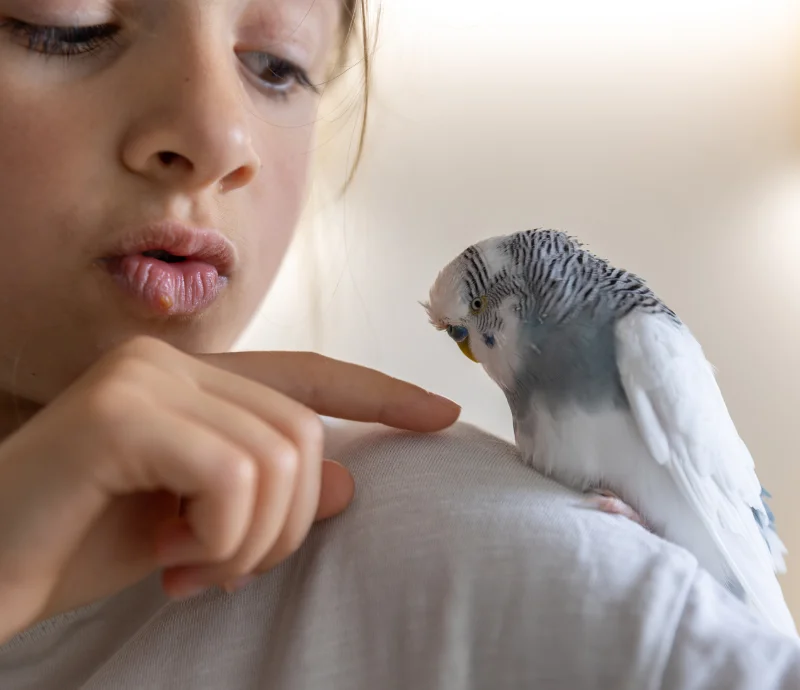
Creating the right conditions for your bird to thrive
What does good welfare look like for a pet bird?
To give our pet birds the best life we can, it helps to think about five key areas of welfare and enrichment: nutrition, physical environment, cognitive stimulation, sensory enrichment and social connection. Together, these help create the conditions for a bird to feel safe, healthy, engaged and connected.
For humans and birds alike, quality of life is about more than food and shelter. It comes from our connections with others, the joy we experience and the chances we have to play and ‘spread our wings’.
Pet birds are thinking, feeling companions who rely on us to enrich their lives with appropriate diets, hygienic and engaging spaces and rewarding relationships.
Your local avian veterinarian has the training and experience to partner with you to ensure you can provide your pet bird a happy, loving home.
What is considered appropriate nutrition for pet birds?
Appropriate nutrition for a pet bird means providing the right balance of good-quality pellets, vegetables, fruits, possibly nectar and limited seeds, tailored to your bird’s species.
Dietary needs vary by species, so the best place to get tailored advice is your local avian vet.
As a general guide, a good-quality diet for most birds will include:
- Good-quality commercial pellets. Your local avian vet can advise you on the best product for your pet bird.
- Vegetables. A great source of fibre and vitamins, like Vitamin A, supporting healthy vision, immunity and feathers.
- Fruits, in moderation. A good source of vitamin C.
- Seeds (limited). Birds love seeds, but the type (and quantity) matters. Seeds are like fast food. Some seeds, like sunflower seeds, are very high in fat and can cause excess body fat and even fatty tumours if fed regularly.
It’s important to remember:
- Some foods are toxic to birds, e.g., chocolate, alcohol, caffeine, avocado and heavily salted foods.
- Fresh is best. Remove uneaten food regularly and replace it with fresh produce.
- Store pellets in an airtight container and check regularly for spoilage.
- Make any dietary changes slowly.
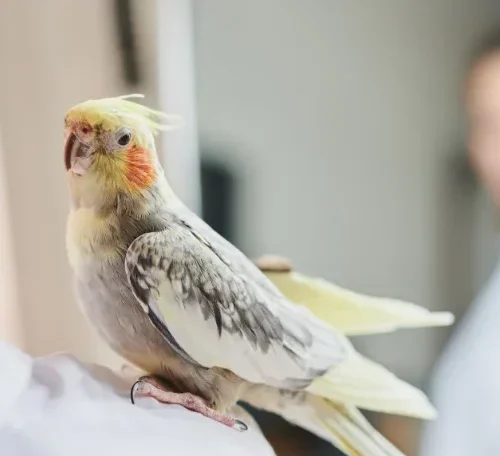
Avian Vet Tip: Small parrots like budgerigars and cockatiels can have kidney problems if being fed pellets alone. It’s important that these species have access to some seeds each day.
How to support your bird’s physical, sensory and cognitive wellbeing
Creating a safe and stimulating environment for your pet bird means thinking about their space, opportunities for play and rest, perching and hygiene.
Birds are intelligent, social creatures who play, sing and use tools in the wild, so it’s our job to bring that same richness into the home we share with them.
Space
Birds thrive with plenty of space to move. At a minimum, confined birds should be able to fully extend their wings out, without touching the sides of their cage.
If your bird is able to fly, letting them do so safely is one of the best gifts you can give them. This might mean supervised flight in a secure space, or a suitably sized aviary built for the purpose.
If you have an outdoor aviary, it’s important to shelter it from prevailing winds and weather and make sure predators can’t access it. With the emergence of Highly Pathogenic Avian Influenza (HPAI) in Australia, you should also consider placing a physical barrier between your pet bird and any wild birds that may come to visit.
Avian Vet Tip: Homes hide hazards for flying birds, including fans, mirrors, windows, operating stovetops and open toilets. If supervision isn’t always possible, ask your vet about the pros and cons of a painless wing trim, which still allows safe flight and landing.
Opportunities for play and rest
Every pet bird benefits from interacting with objects in their environment, including swings, bells, balls or anything else they love to move, look at or listen to. Foraging toys that encourage your bird to “hunt” for food are especially valuable. Size and material matter, and your local avian veterinarian can guide you toward appropriate products.
Reward-based training is a positive way to engage, interact with and stimulate your pet bird, and they can even be a social entertainer with any tricks they learn!
Avian Vet Tip: Don’t forget, your pet bird needs their beauty sleep, too. Most birds do best with 10-12 hours of sleep each night. If you are a night owl, consider putting a sleeping cage for your pet bird in a quieter part of your home.
Perching
Birds love to perch as much as they love to fly. Providing an assortment of perches at home keeps your bird happier and healthier, and can help avoid expensive corrective treatments for their feet and nails later on.
How to choose the correct perching stick:
- Size. Choose a perch sized so your bird’s front and back toes don’t quite touch when gripping. Their foot should encircle about 2/3 to 3/4 of the perch’s circumference.
- Timber type. Native Australian woods, like eucalypts, are a great starting point, though not all natives are safe, so check with your local avian veterinarian.
- Texture. Perches with bark or a rough texture help keep your bird’s feet healthy, as they adapt their grip to the changing surface.
Secure. Ensure the perches can’t fall under your bird’s weight. - Height. Birds like to perch high to feel safe, but adding lower perches they can move between creates fun, healthy cage exercise.
Avian Vet Tip: Throw out any dowel perches, and provide a variety of appropriately sized natural perches to keep your bird’s feet healthy.
Cleanliness and Hygiene
Good hygiene helps prevent serious illness and disease in pet birds. Follow these simple steps:
- Wash food and water bowls daily with soap and warm water, or run them through the dishwasher.
- Dry thoroughly before refilling with fresh food and water.
- Remove droppings from perches, toys and the cage base regularly.
- Air hygiene is important. Avoid sources of toxic fumes, such as overheated Teflon, spray pesticides, paints, cigarette smoke, vaping aerosols, air fresheners, incense, scented candles, hair sprays, perfumes and burning plastics.
- Keep cigarettes, vapes, e-liquids and other nicotine products safely away from your bird.
Avian Vet Tip: Don’t use harsh chemicals to clean water and food dishes.
What does a healthy connection with a pet bird look like?
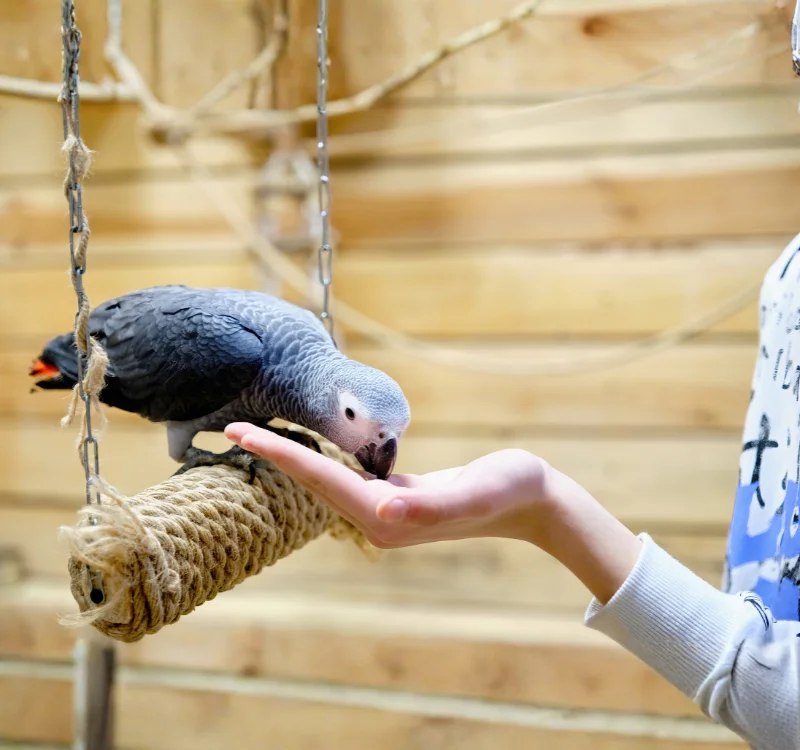
Appropriate connection means daily interaction, shared time, careful introductions to new people and avoiding over-attachment to just one person.
A truly great life for a bird means looking beyond their physical environment to create opportunities for connection. Most pet bird species are naturally social flock animals, so regular interaction and companionship are an important part of their wellbeing.
Pet birds, especially parrots, often have the intelligence of a small human child, so they thrive on social connection just like children do. But connection has limits. Too much attachment to one person can lead to behavioural problems down the track.
Here’s how to build healthy connections with everyone in the household:
Daily greeting and conversation
Greeting your pet bird each morning is a wonderful way to form a bond, and talking to them throughout the day gives them the social interaction they crave. Many birds learn to mimic your words or sing back, and giving them this opportunity is a great gift.
Shared time together
When you’re home, spend time in your pet’s presence, whether one-on-one or simply having them nearby while family or friends are around. Birds enjoy being part of the action, even when they aren’t the centre of attention.
Avian Vet Tip: While patting your bird can feel like natural bonding, it’s important to note that excessive petting can be misread as mating behaviour. Foraging, trick training and daily routines are healthier ways to connect.
Introducing new people
Introducing new people slowly is always a good idea, as birds can be wary of unfamiliar faces. Let visitors know the safest way to interact, which might be to let the bird approach in its own time, rather than reaching toward it.
When connection becomes too much
Pet birds can become too attached to one household member, leading to issues such as feather plucking, screeching or aggression toward others. Sharing feeding, training and playtime duties among family members helps your bird feel secure, even when their favourite person isn’t around.
Avian Vet Tip: Feather plucking, screeching or aggression when separated from one person can signal unhealthy attachment. Speak to your local avian vet, as behavioural support can help.
A good quality of life starts with good quality care
Partnering with your local avian vet when your pet bird first enters your home (or even before) can ensure you are on the right path to creating a nourishing, stimulating and safe environment for your pet.
Your local avian veterinarian works with you to help you build the skills and knowledge needed to give your pet bird a happy, loving home.
If you are concerned about your bird’s health or well-being, use AAVAC’s Find an Avian Vet directory to connect with veterinary professionals with an interest in avian medicine. Veterinary professionals can also explore AAVAC membership to access resources, events and education.

Dr Kimberley Earl
BVSc (Hons), MANZCVS (Avian Health)
Dr Kimberley Earl graduated from the University of Sydney and has been practising veterinary medicine in Australia since 2008. She holds Membership of the Australian and New Zealand College of Veterinary Scientists in Avian Health and has a longstanding interest in bird medicine and welfare. As a founding partner of Edgeworth Vet Medical Centre, Kimberley combines clinical experience with thoughtful, species-specific care and a strong commitment to mentoring future veterinarians.
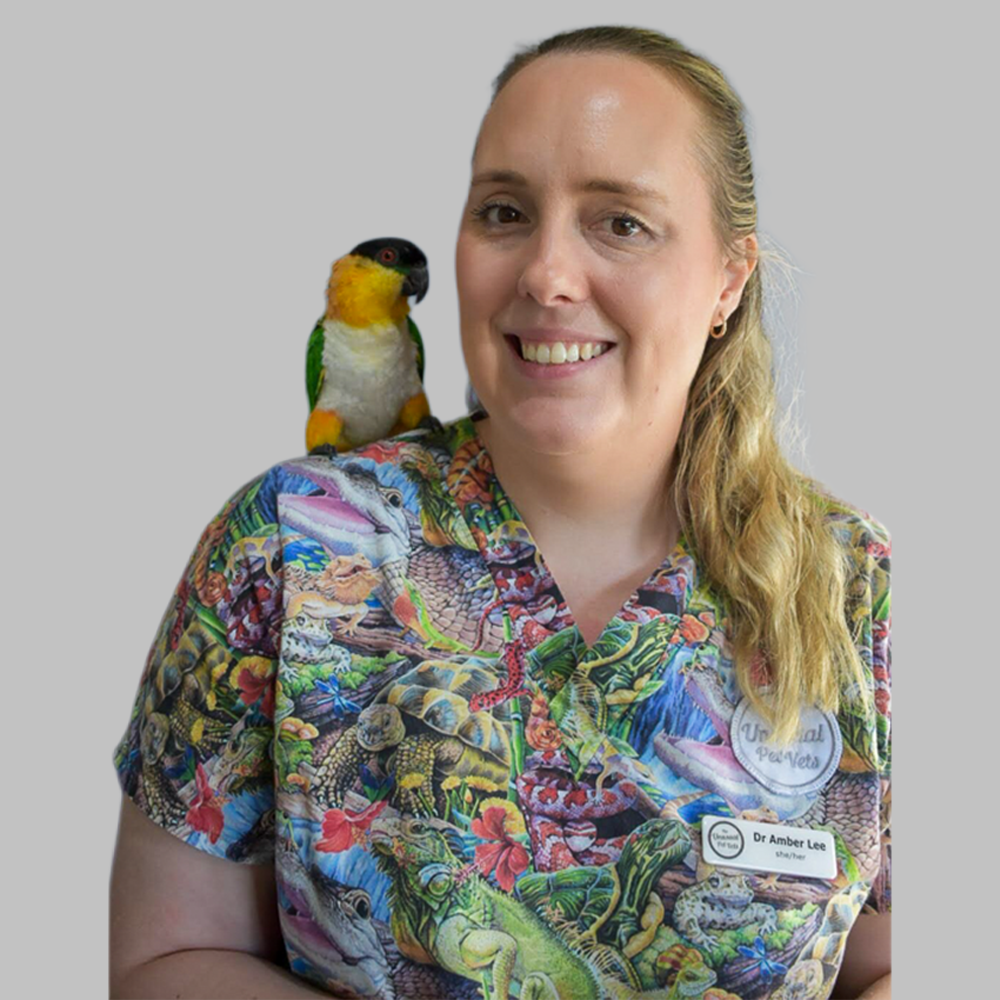
Dr Amber Lee
Chairperson
BVSc, DABVP (Avian Practice)Leads Board governance and supports AAVAC’s strategic direction.

Associate Professor Megan Jolly
Vice Chairperson & Scientific subcommittee
BRSc BVSc MVSc PhD MANZCVS (Avian Health)Coordinates the Scientific Subcommittee, including the conference speaker program and peer-reviewed proceedings.
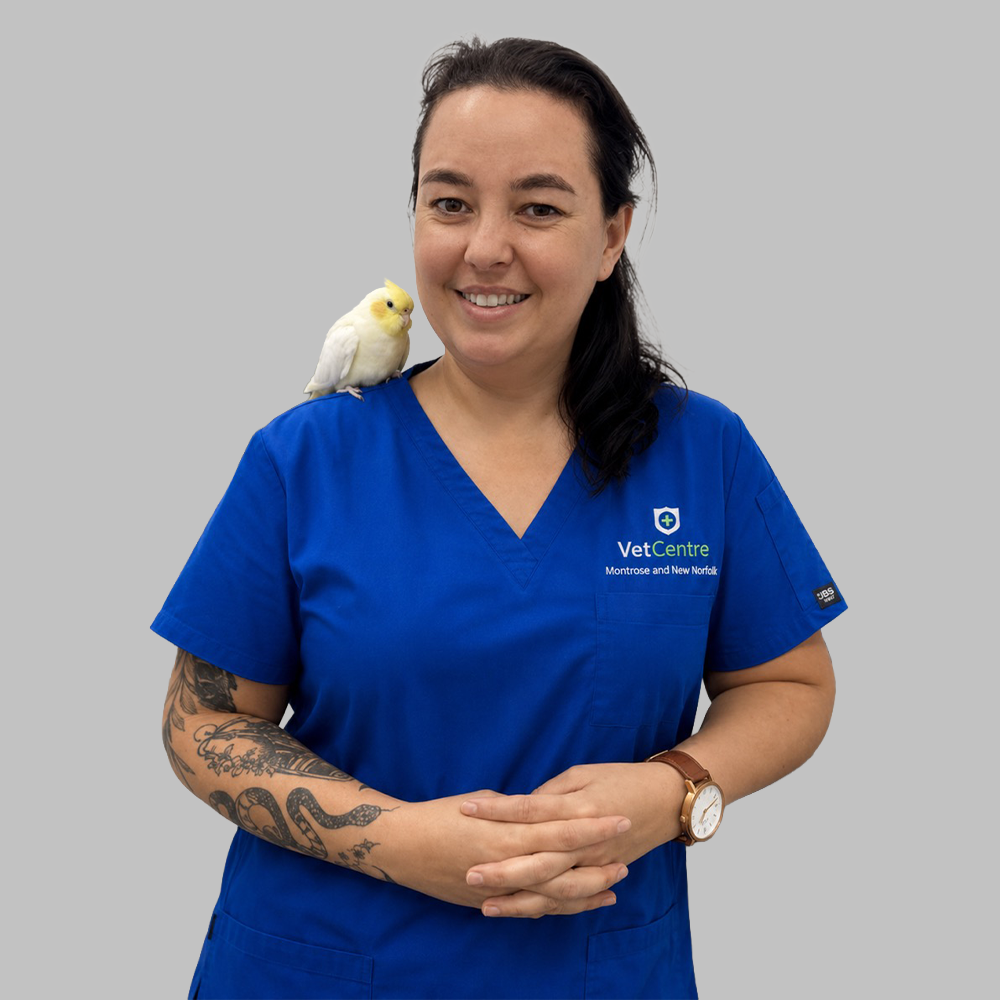
Dr Jade Cook
Secretary, Research Subcommittee, Communications Coordinator
BVSc (Hons)Coordinates governance, meetings, records, compliance, membership administration and official Board correspondence.
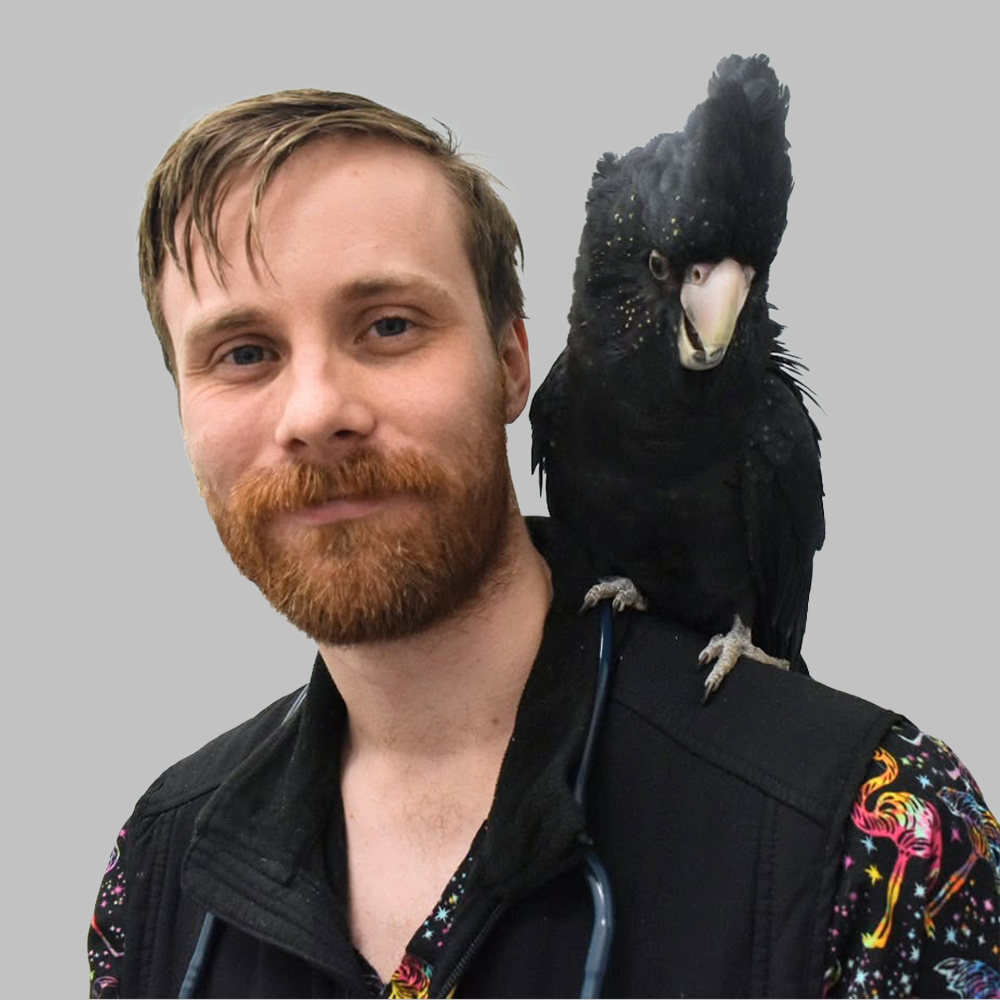
Dr Brandon Arnell
General Member/ Student Liaison
BVSc DVM MANZCVS (Avian Medicine and Surgery, Unusual Pets)Supports student engagement, contributes to the Website Subcommittee and promotes AAVAC’s standards for avian medicine and welfare.
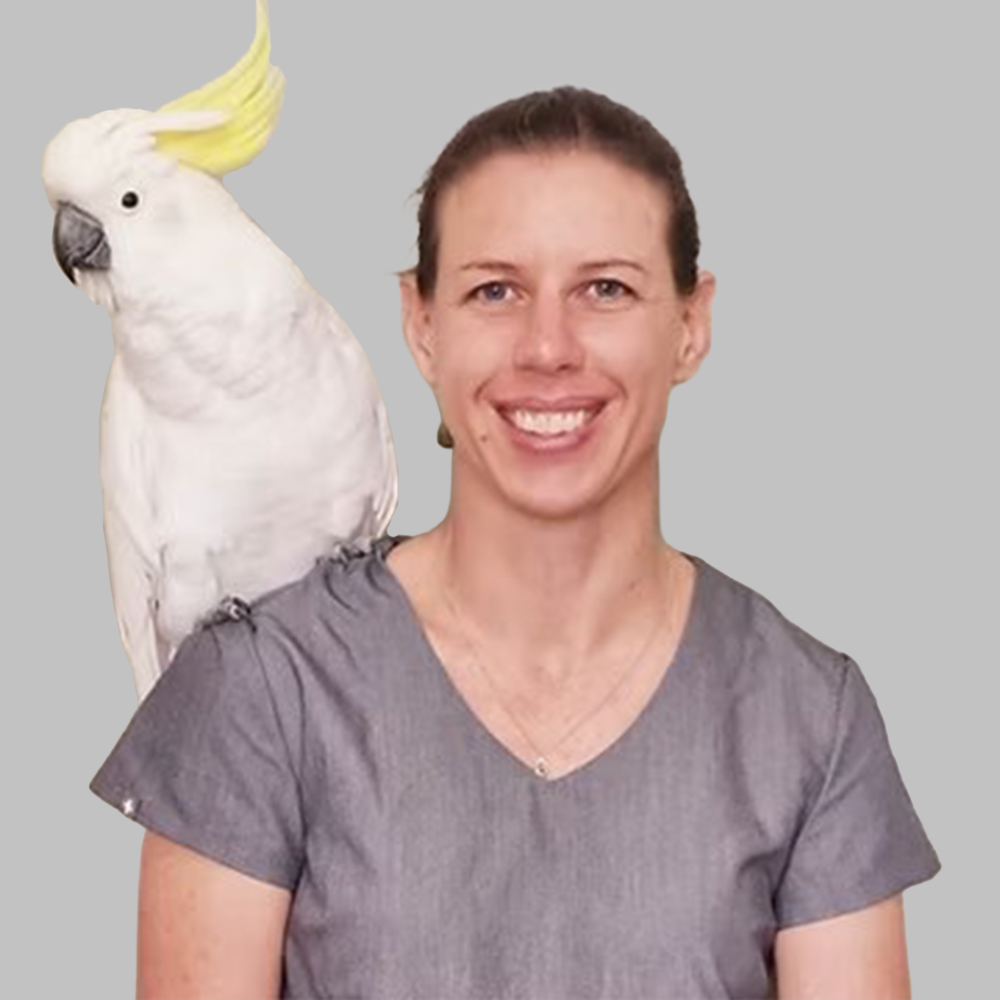
Dr Kathleen Hardie
General Member
BEnvSc (Hons) BVScContributes to the Conference Subcommittee and promotes AAVAC’s standards for avian medicine and stewardship.
Dr Courtney Dunne
General Member/ Student Liasion
BAppSc BVSc GCUT MANZCVS (Avian Health, Unusual Pet Medicine and Surgery)Supports student engagement, contributes to the 2026 Annual Conference Subcommittee and promotes AAVAC’s standards for avian medicine and welfare.

Dr Michael Cannon
General Member, Research subcommittee
DVM BVSc, MANZCVS (Avian Health), DipEd.Provides historical knowledge and continuity, contributes to Board governance and supports research initiatives through the Research Subcommittee.
Frequently Asked Questions
What does a good life look like for a pet bird?
A good life for a pet bird means more than food and a cage. It includes high-quality care, appropriate nutrition, a safe and stimulating home, and real opportunities to connect with the people around them. Meeting all these needs together, rather than just one at a time, supports genuine pet bird welfare.
What do pet birds need to be happy?
Pet birds are intelligent, social animals, so their happiness depends on more than food and shelter. They need species-appropriate nutrition, a safe and enriching environment with room to move and play, and meaningful daily interaction with their owners. Leaving out any one of these can affect their overall well-being.
What is bird enrichment, and why does it matter?
Bird enrichment means creating an environment that lets your bird express natural behaviours like flying, foraging, playing and perching. It includes things like foraging toys, varied perches and safe opportunities to fly or climb. Enrichment matters because birds are active and intelligent in the wild, so a bare cage with little stimulation can lead to boredom, stress or behavioural problems.
What should I feed my pet bird?
Most pet birds do best on a diet of good-quality pellets, vegetables, fruit in moderation and limited seeds, though the right balance depends on your bird’s species. Some birds, like budgerigars and cockatiels, actually need a small amount of seed each day alongside pellets to avoid kidney problems. Because needs vary so much by species, your local avian vet is the best source of tailored dietary advice.
Can pet birds become too attached to one person?
Yes, it’s common for pet birds, especially parrots, to bond strongly with one household member, but over-attachment can lead to issues like feather plucking, screeching or aggression toward others. Sharing feeding, training and playtime among the whole household helps your bird feel secure with everyone, not just one favourite person. If you notice signs of unhealthy attachment, your local avian vet can offer behavioural support.
How can I improve my pet bird’s welfare?
Improving your pet bird’s welfare starts with looking at the whole picture, nutrition, environment, enrichment and social connection, rather than just one area in isolation. Simple steps like offering foraging toys, providing a variety of perches, sticking to a species-appropriate diet and spending daily one-on-one time with your bird all make a real difference. Partnering with a local avian vet early on also helps you build the right habits from the start.