When Should You Book an Appointment with an Avian Vet?
From choosing a bird to recognising signs of illness
Avian vet care for every stage of your bird’s life
Forming a partnership with your local avian vet early in your pet bird’s care can help you give them a full, long and healthy life.
This starts before your new bird even arrives, deepens when they first come into your care and continues with regular checkups throughout their life.
Your avian vet can also support you if you notice any subtle changes in your bird’s appetite, droppings, breathing, behaviour or feathers, or in the unfortunate event your bird becomes visibly unwell or faces an emergency.
Before you bring a bird home
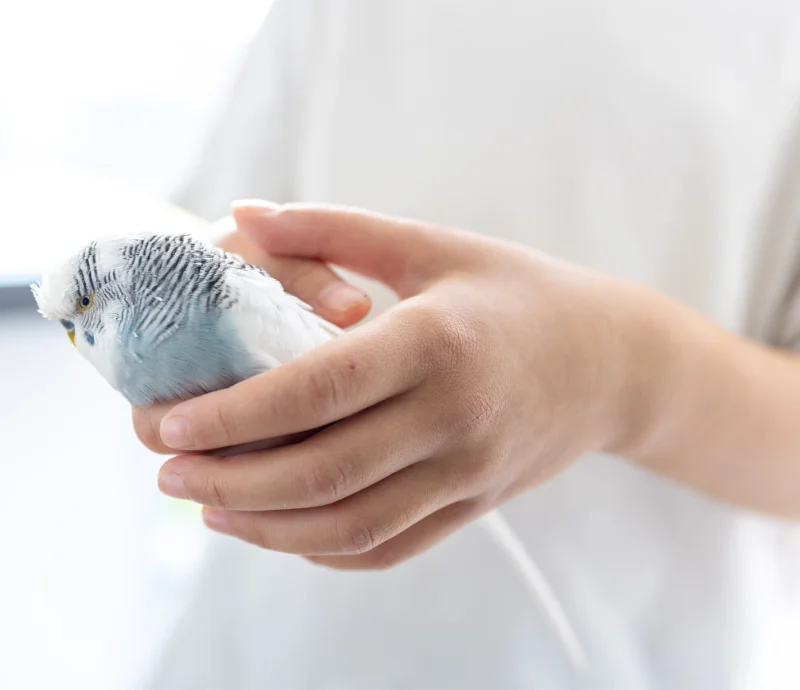
Not sure whether a cockatiel or a canary would suit you best? Your local avian vet can provide species-specific information to help you make a decision before you purchase.
They have in-depth knowledge of dietary and environmental needs as well as any disease predispositions, which can really help when you need to make the best choice for you and your family.
Setting up your bird for good health
Even if you don’t have a pet bird yet, being adequately equipped can mean the difference between a happy, healthy bird with a good quality of life and one that’s suffering.
Setting up a consultation early with your local avian veterinarian can make the transition smoother for both you and your new bird. They can advise you on:
- Quarantine protocols for when a new bird arrives
- Nutrition and diet
- Housing and environment
Quarantine for new birds
We quarantine or isolate birds away from other birds when they first come into our care, in case they are carrying a disease that they could pass on. Quarantining is also a useful exercise in single-bird households where a member of the home is immunosuppressed or just doesn’t want to risk becoming infected with a disease the bird may be carrying.
It’s important to see your local avian vet when your new bird arrives and is in quarantine, even if they seem perfectly healthy. Detecting a problem with your new bird early on gives the best chance of treating it successfully.
Here are some simple steps for a successful quarantine:
- Have an avian vet check your new bird as soon as practicable.
- Keep your new bird separate from the others for at least six weeks.
- Make sure quarantined birds have separate food and water dishes and perches.
- Wash your hands thoroughly after handling your new bird or cleaning their cage.
- Keep your new bird in a separate air space whenever possible, as some viruses are airborne and can travel between rooms.
- Watch your new bird closely during quarantine, and contact your vet if you notice anything unusual.
Avian Vet Tip: We quarantine new birds to screen for diseases such as PBFD, polyomavirus and psittacosis, some of which can be present long before any symptoms appear.
Nutrition and diet
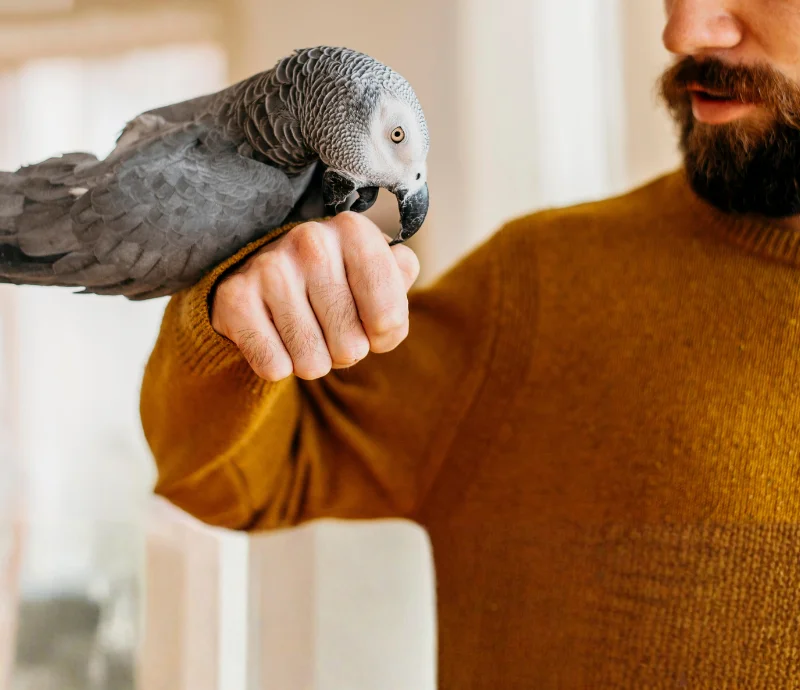
Appropriate nutrition means providing a balanced, nutritionally complete diet that is appropriate for your bird’s species. For parrots, this may commonly include good-quality pellets alongside vegetables, some fruit and limited seeds. Avian vets can provide the most up-to-date advice on what to feed and what to avoid to keep your pet bird in optimal health and condition.
Housing and environment
Creating a safe and stimulating home means thinking about your bird’s space, play, perching and hygiene needs, all of which vary by species. Your local avian vet can advise on the right setup for your pet bird.
Does your pet bird need an annual checkup?
As we say, prevention is the best medicine, and when it comes to pet birds, this is certainly true.
Birds are not only excellent mimickers, but they are also excellent at masking signs of illness. That means their annual checkup is important to help your local avian veterinarian identify subtle signs of disease and address any health concerns before they progress.
This can include looking for signs of vitamin deficiency, feather changes, external parasites, weight loss or other problems.
Depending on your bird’s age, species, health and individual needs, your veterinarian may also recommend screening diagnostics such as faecal testing, bloodwork, swabs or other tests to help assess their overall health and identify problems that may not be obvious during a physical examination.
An annual visit is also a great time to mention any subtle changes you may have noticed in your pet bird. This may include changes in perching habits, food preferences or even behaviour. Make a list of any concerns you have before your annual vet visit to be sure you don’t miss anything.
Avian medicine is a constantly evolving field, so regular visits ensure your bird benefits from the latest knowledge and the most up-to-date preventative health care.
What should you do if your pet bird is unwell?
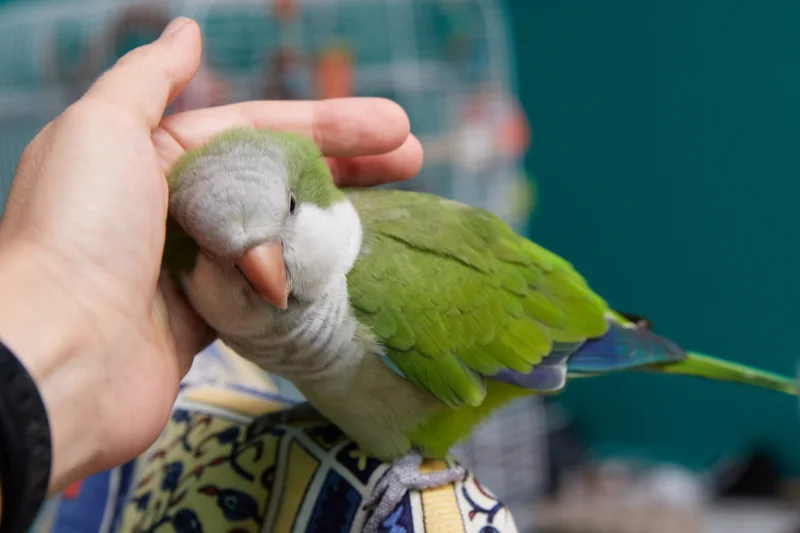
Birds are experts at hiding illness, so knowing what to watch for and when to act makes all the difference.
You should see an avian vet whenever you notice subtle changes in your bird’s appetite, droppings, breathing, behaviour or feathers, or if there’s an emergency.
Signs you need to see an avian vet
You should contact an avian vet if your bird is eating less than usual, has changes in their droppings, is breathing differently, sneezing more often, sleeping more, becoming less active or staying fluffed up. Regurgitation, discharge from the nostrils or noticeable changes to the feathers can also be signs that something is wrong.
When it’s an emergency
Contact an emergency vet straight away if your bird:
- Is bleeding, visibly injured or has been attacked by another animal
- Is struggling to breathe or breathing with an open beak
- Has collapsed, or can’t stand or perch
- Has had a seizure or appears paralysed
- Has been burned or exposed to toxic fumes or chemicals
- Appears egg-bound or is straining without producing an egg
Avian Vet Tip: Birds often hide just how unwell they are until they’re critically ill. If in doubt, treat it as an emergency and call your vet. It’s always better to check than to wait.
Having a sick bird can be scary, but a strong relationship with your avian vet means you’re never facing it alone.
Ready to give your pet bird the best life possible? Book a visit with your local avian veterinarian today.
If you are concerned about your bird’s health or well-being, use AAVAC’s Find an Avian Vet directory to connect with veterinary professionals with an interest in avian medicine. Veterinary professionals can also explore AAVAC membership to access resources, events and education.
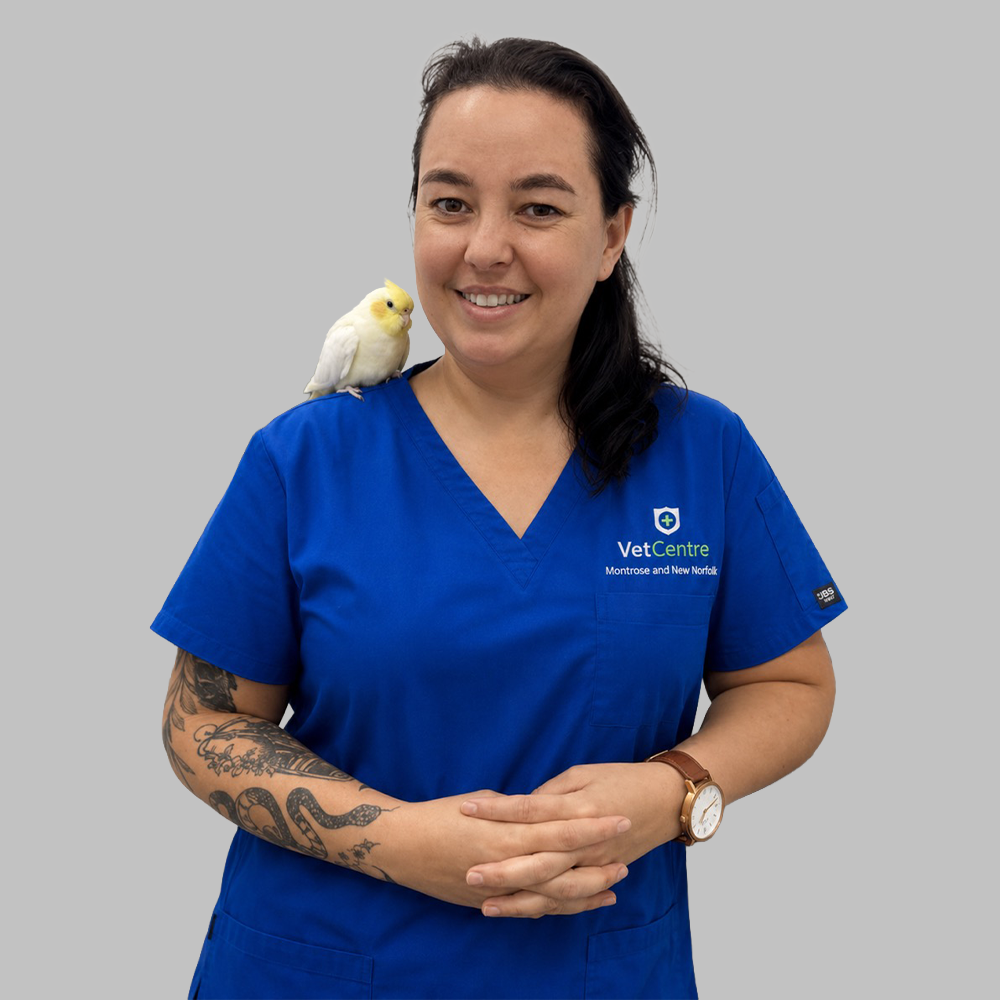
Dr Jade Cook
BVSc (Hons)
Dr Jade Cook graduated from The University of Queensland in 2019 with a Bachelor of Veterinary Science (Honours). Her passion for avian and exotic medicine began while working as a veterinary nurse at an exclusively avian clinic during her studies. Since graduating, Jade has worked across wildlife clinics in Australia, providing medical and surgical care to a wide range of avian, exotic and wildlife patients throughout her veterinary clinical career.
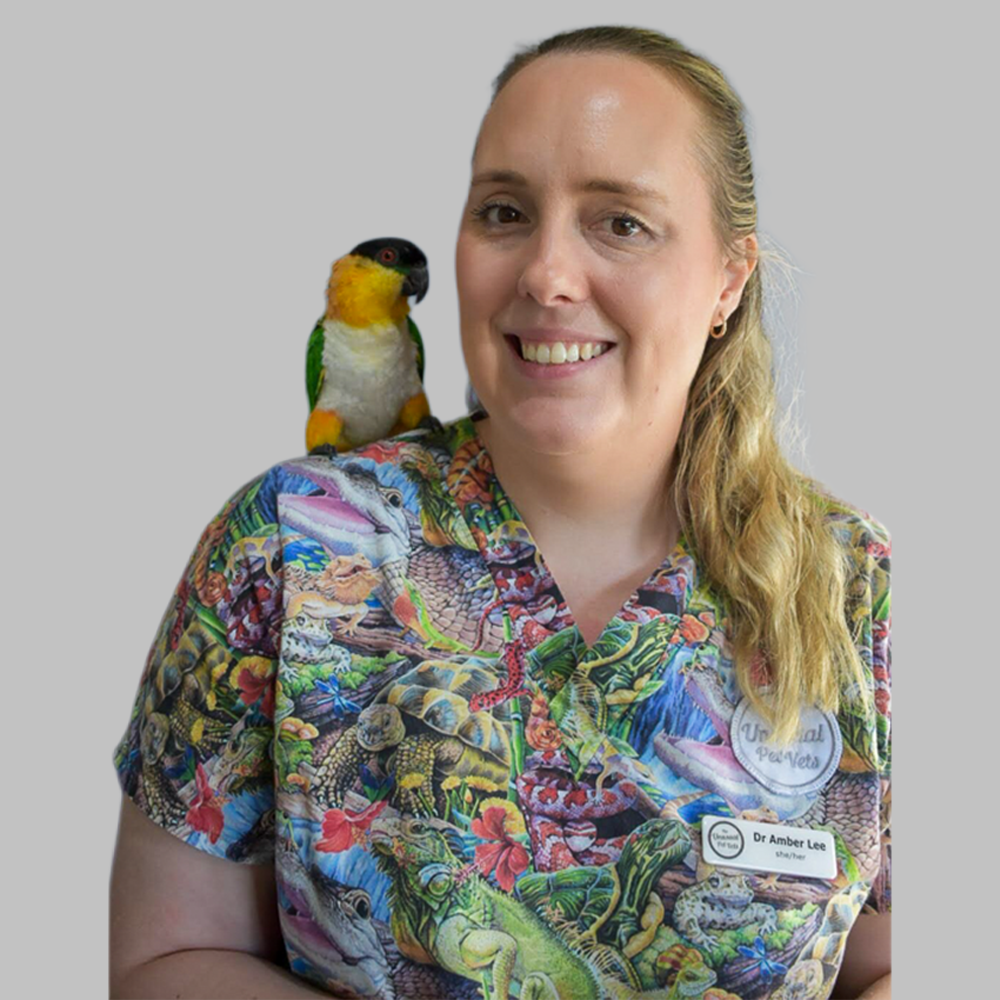
Dr Amber Lee
Chairperson
BVSc, DABVP (Avian Practice)Leads Board governance and supports AAVAC’s strategic direction.

Associate Professor Megan Jolly
Vice Chairperson & Scientific subcommittee
BRSc BVSc MVSc PhD MANZCVS (Avian Health)Coordinates the Scientific Subcommittee, including the conference speaker program and peer-reviewed proceedings.
Dr Jade Cook
Secretary, Research Subcommittee, Communications Coordinator
BVSc (Hons)Coordinates governance, meetings, records, compliance, membership administration and official Board correspondence.
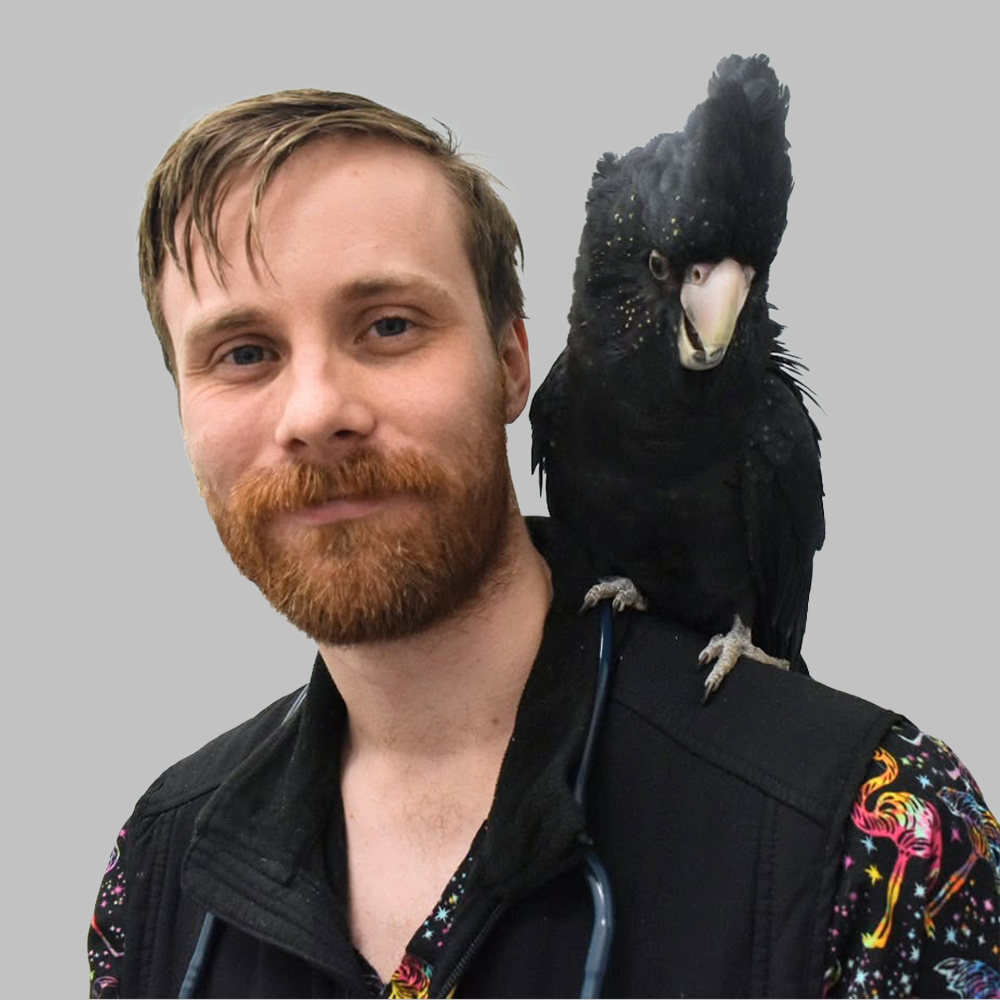
Dr Brandon Arnell
General Member/ Student Liaison
BVSc DVM MANZCVS (Avian Medicine and Surgery, Unusual Pets)Supports student engagement, contributes to the Website Subcommittee and promotes AAVAC’s standards for avian medicine and welfare.
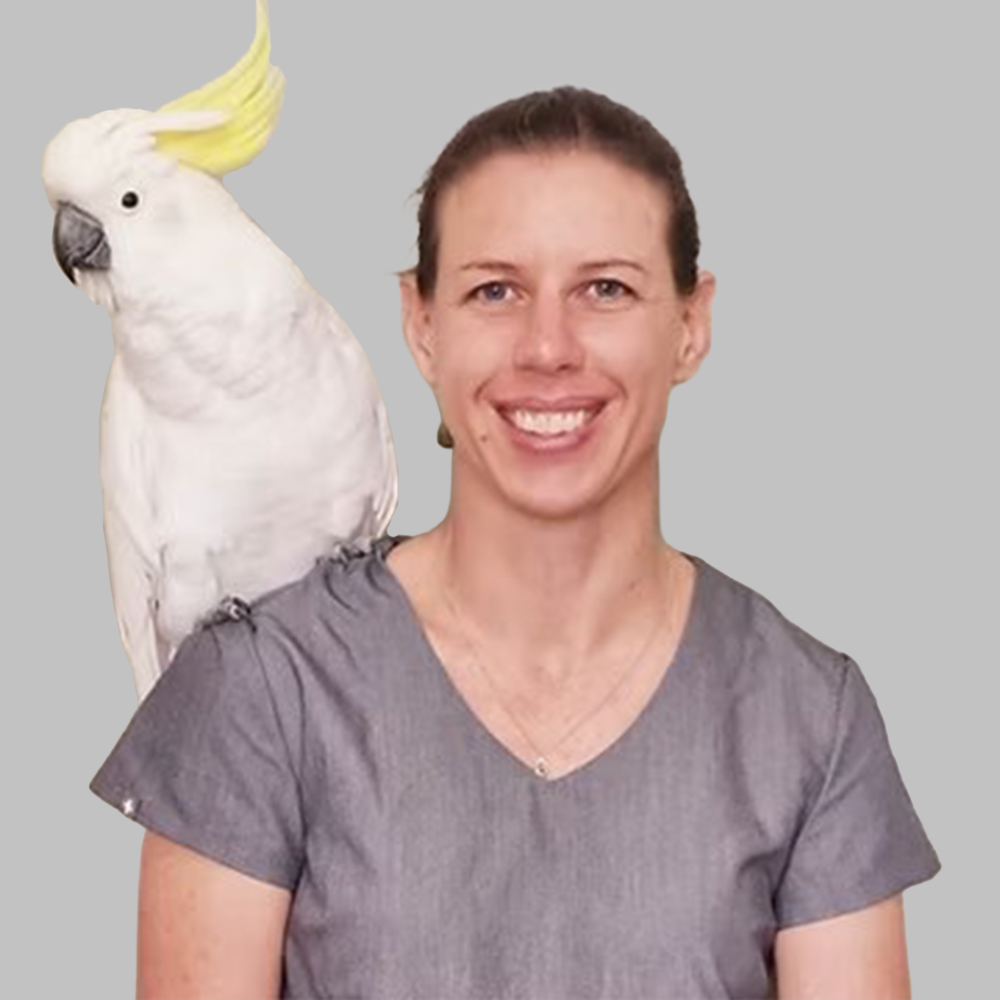
Dr Kathleen Hardie
General Member
BEnvSc (Hons) BVScContributes to the Conference Subcommittee and promotes AAVAC’s standards for avian medicine and stewardship.
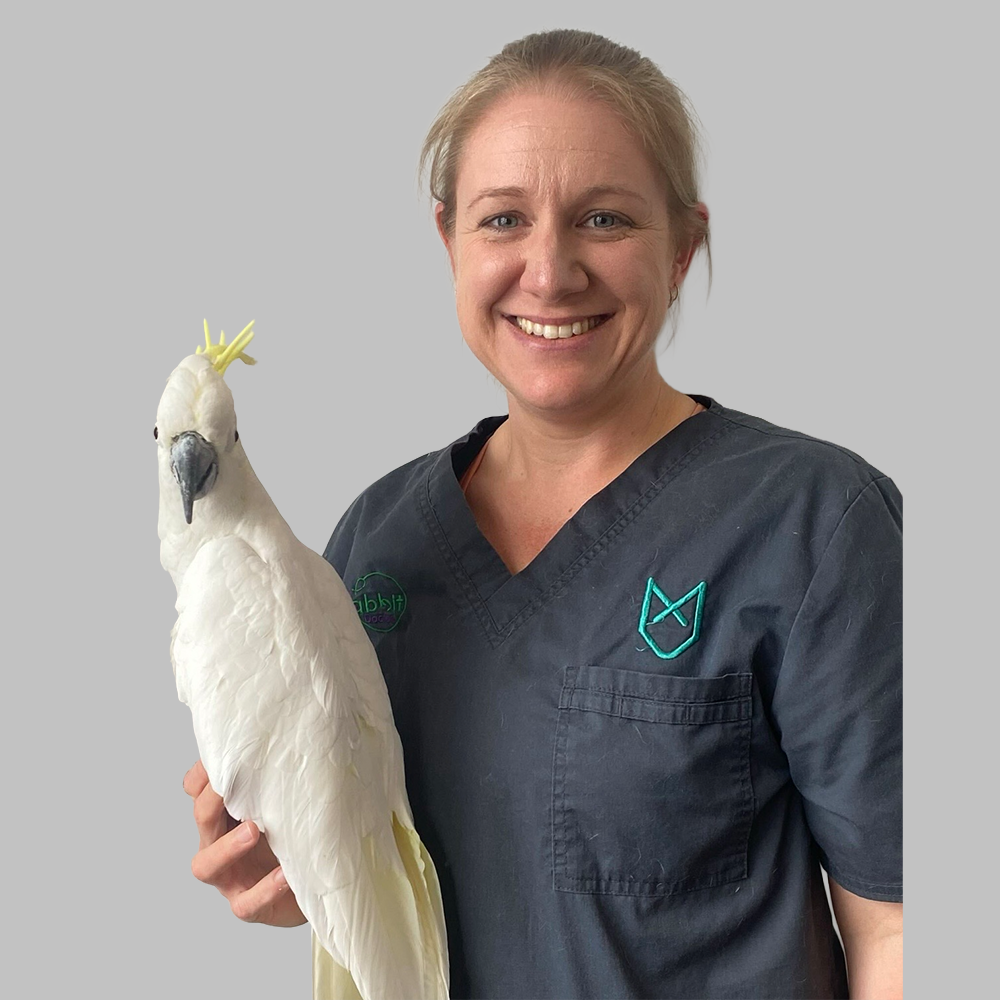
Dr Courtney Dunne
General Member/ Student Liasion
BAppSc BVSc GCUT MANZCVS (Avian Health, Unusual Pet Medicine and Surgery)Supports student engagement, contributes to the 2026 Annual Conference Subcommittee and promotes AAVAC’s standards for avian medicine and welfare.

Dr Michael Cannon
General Member, Research subcommittee
DVM BVSc, MANZCVS (Avian Health), DipEd.Provides historical knowledge and continuity, contributes to Board governance and supports research initiatives through the Research Subcommittee.
Frequently Asked Questions
When should I take my bird to an avian vet?
You should see an avian vet when planning a new bird’s arrival, when they first come into your care, and for regular checkups throughout their life. You should also see one if you notice subtle changes in your bird’s appetite, droppings, breathing, behaviour or feathers, or if there’s an emergency. Acting early gives your vet the best chance of catching problems before they become serious.
How do I know if my bird is sick?
Birds are experts at hiding illness, so the signs can be subtle. Watch for reduced appetite, changes to droppings, breathing differently or sneezing, reduced activity, fluffed-up feathers, sleeping more than usual, or discharge from the nares (nostrils). If you notice any of these symptoms, contact your local avian vet promptly, even if your bird still seems otherwise okay.
Why won’t my parrot eat?
A reduced or absent appetite is one of the clearest warning signs in pet birds, and it shouldn’t be ignored, even for a single day. Because birds hide illness well, a sudden drop in eating can mean a problem is already more advanced than it looks. If your parrot isn’t eating as much as normal, contact your avian vet rather than waiting to see if it resolves on its own.
Do pet birds need regular vet checkups?
Yes, pet birds benefit from an annual checkup with an avian vet, even if they seem perfectly healthy. Birds are skilled at masking signs of illness, so regular visits give your vet the chance to spot subtle problems, such as vitamin deficiencies or feather changes, before they progress. Your vet may also recommend annual screening tests, such as a faecal assessment, various swabs or bloodwork. These visits are a great opportunity to ask questions and mention any small changes you’ve noticed at home.
What counts as a bird emergency?
A bird emergency includes bleeding, visible injury, difficulty breathing, collapse, seizures, paralysis, burns, exposure to toxic fumes, or a bird that appears egg-bound. Birds often hide just how unwell they are until they’re critically ill, so if in doubt, it’s always safer to treat the situation as an emergency and call your vet straight away.
Should I see a vet when I get a new bird?
Yes, it’s important to have your new bird checked by an avian vet as soon as practicable, even if they seem perfectly healthy, since many bird diseases aren’t obvious early on. If you already have other birds, your new arrival should also be quarantined for at least six weeks to screen for diseases like PBFD, polyomavirus and psittacosis before introducing them to the rest of your flock.