Cats, Birds and Wildlife: Why Containment Matters
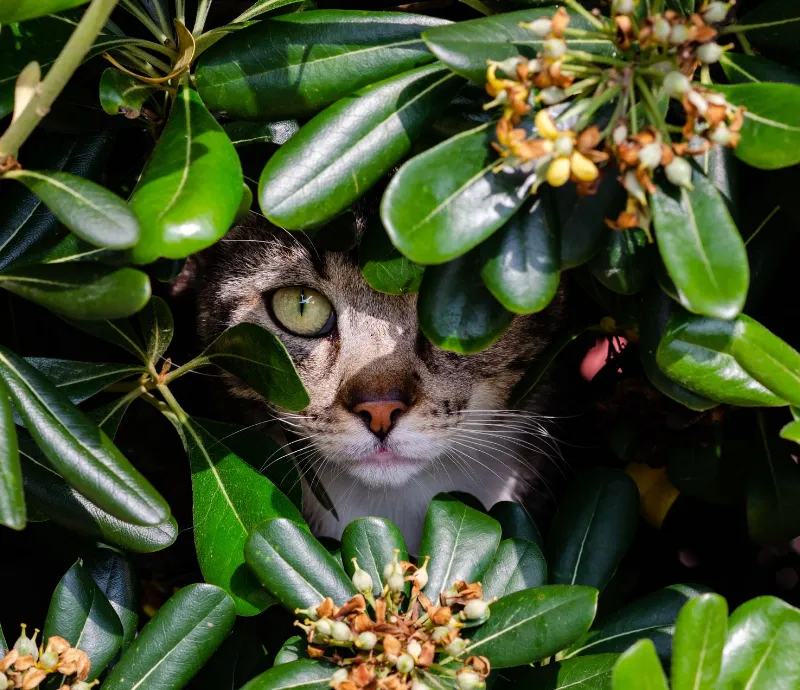
How responsible cat ownership protects native wildlife
The Importance of Keeping Cats Contained
When cats roam and hunt freely, they’re one of the biggest threats to Australia’s native birds and wildlife.
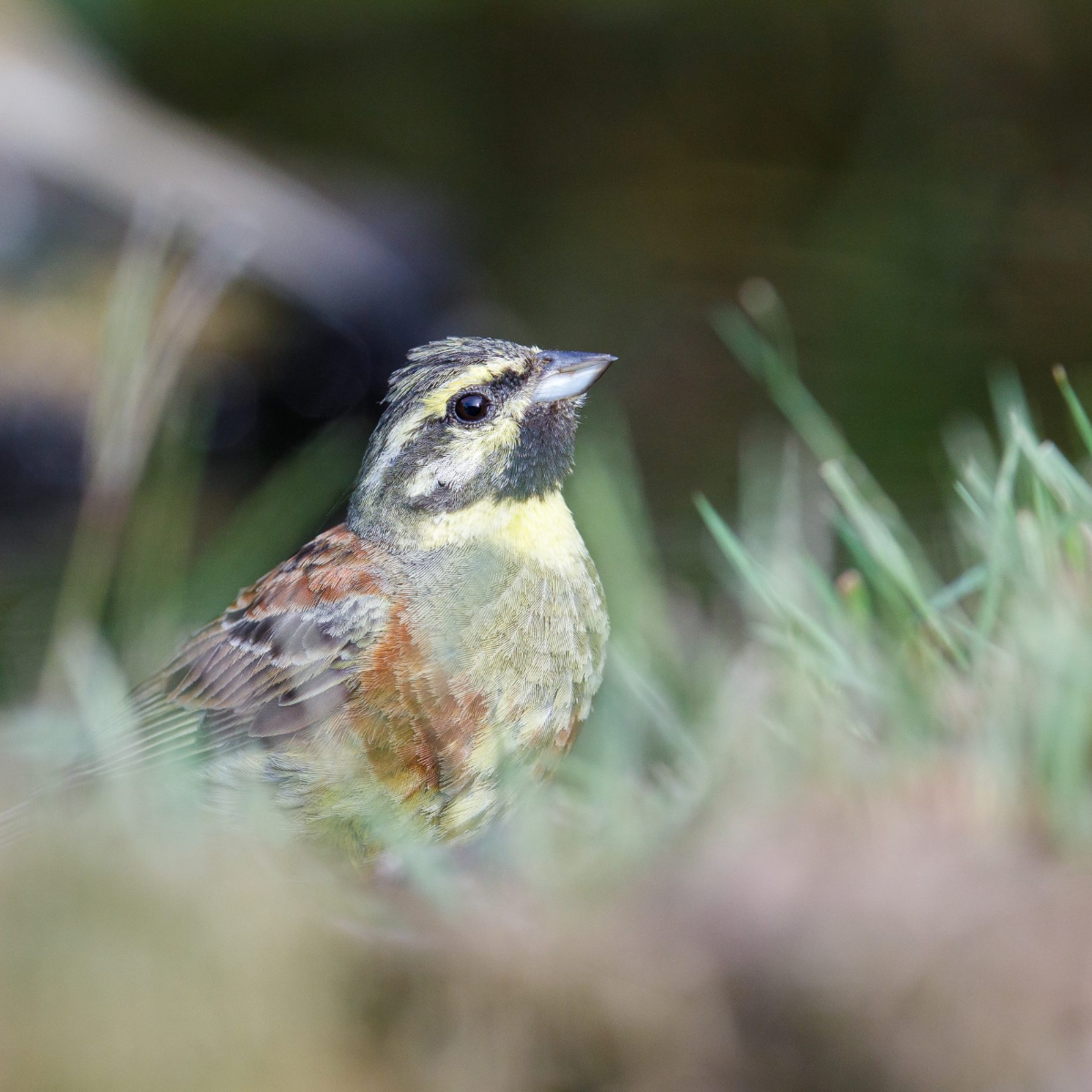
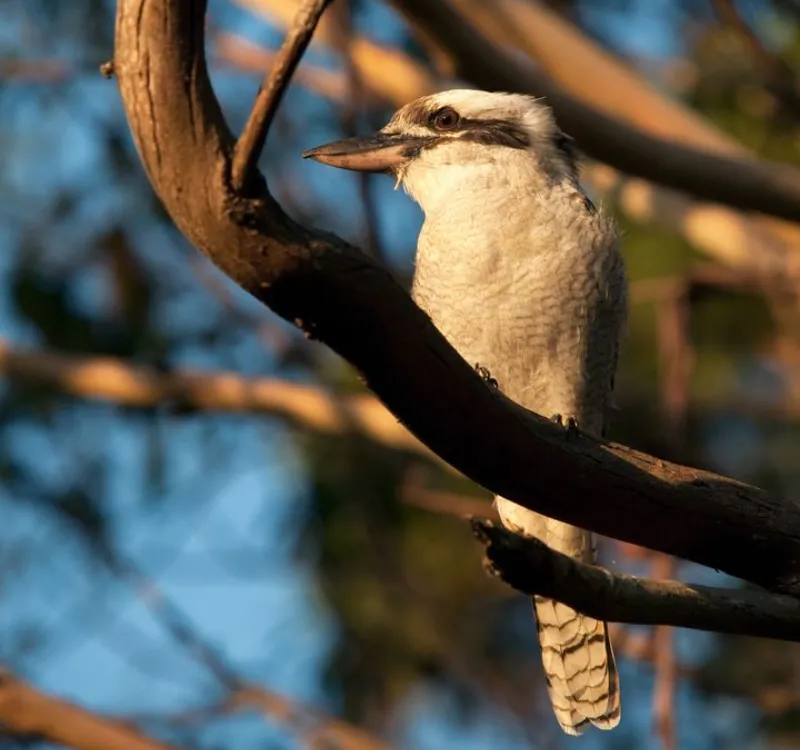
We are the lucky country. Pristine beaches, ancient forests and a remarkable desert centre that teems with life. Australia is home to an incredible array of colourful native birds in all shapes and sizes, from the tiny Superb Fairywren to the vivid Rainbow Bee-eater and the striking Eastern Rosella.
Sadly, free-roaming predators, like our domestic cats, are killing our native fauna at an alarming rate.
The good news is that protecting Australia’s birds and wildlife doesn’t mean choosing between your cat and nature. It means finding a setup that keeps both safe.
Cats don’t choose to be killers
Pet cats can be wonderful companions: quiet, independent and easy to house-train. They’re loved family members who bring real joy into people’s homes. When they are outside the home, however, a cat’s natural hunting instinct takes over, with serious consequences for our native animals.
They are exceptional predators, with keen vision in daylight and darkness, hooked, piercing claws, razor-sharp teeth, swift movement and incredible agility. Our small native mammals, reptiles and birds are no match for that.
As owners, we must take responsibility for managing cats’ hunting instinct, just as we do with any other natural behaviour in our pets.
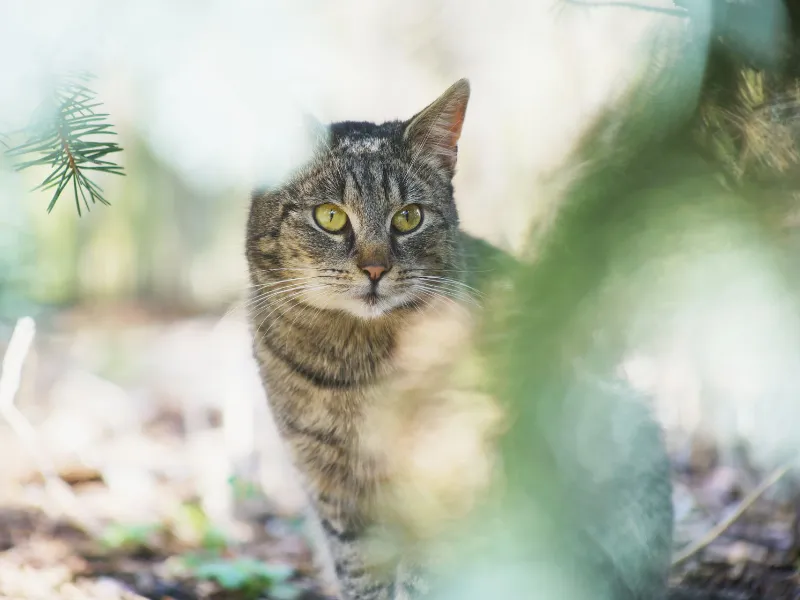
What does keeping a cat contained mean?
Keeping a cat contained means making sure they never roam freely and stay within your property’s boundaries, if not on a leash or in a carrier.
Cat owners can achieve this by keeping their pets indoors, providing a fully enclosed outdoor space or creating a cat-proofed yard. It doesn’t mean cats can never go outside; it just means any time they spend outdoors happens within a safe, escape-proof boundary, rather than letting them wander unsupervised.
Why are our birds and wildlife so vulnerable?
Australia’s native animals evolved in isolation, largely without mammalian predators like cats. That means many of our native species never developed the instincts or defences needed to escape cats, which makes them easy prey.
Birds that forage on the ground or in low-lying shrubbery are particularly at risk, as this puts them squarely in the strike zone of an ambushing cat for much of the day. Smaller and medium-sized birds are especially vulnerable, since they’re easier for a cat to catch and have fewer ways to defend themselves.
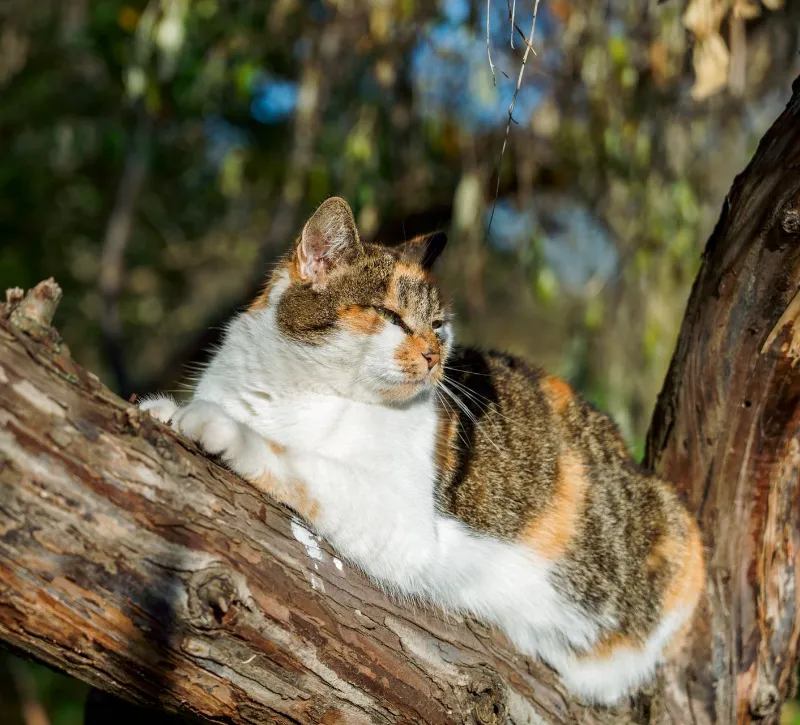
How much impact do domestic cats have on our native animals?
The numbers are confronting, but they are also a powerful reason we should act.
There are now an estimated 5.8 million pet cats in Australia, and roaming pet cats kill an estimated 390 million animals each year. Birds account for 134 million of those animals killed. For each roaming pet cat in Australia, that’s an average of about 40 birds caught every year.
While owners keep approximately 30% of pet cats securely contained, 70% are still free to roam, meaning millions of pet cats hunt wildlife every day.
It’s a common assumption that bringing cats in at night solves most of the problem, but night-only curfews still leave birds and reptiles, which are mostly active during the day, at risk. The best way to protect our native birds in Australia is by containing cats around the clock.
A happy cat doesn’t need to roam
Many owners worry that containing a cat means limiting its space and freedom, but a contained cat can still have plenty of room to explore, climb and play, while staying safe.
- Cat trees and shelves give cats height to climb and survey their territory
- Window perches let cats watch the outside world safely from indoors
- Puzzle feeders and foraging toys engage a cat’s natural hunting instincts without putting wildlife at risk
- Scratching posts support healthy claws and natural behaviour
- Leash and harness training, once your cat is comfortable with it, can allow safe, supervised outdoor time
Containment helps protect your cat from everyday dangers, too
Many cat owners are very responsible and fall into the 30% who keep their cats either indoors or in enclosed outdoor spaces.
Keeping your cat contained also protects them. Contained cats avoid the risks that roaming cats face every day, such as run-ins with cars, fights with other cats and animals and exposure to infectious diseases or parasites.
Cats can also be susceptible to the strain of Highly Pathogenic Avian Influenza that has recently arrived on our shores. Keeping your pet cat safely contained is another practical way to reduce risk and help protect their health.
Simple ways to keep your cat contained
There are some great innovations available to help your cat safely enjoy the outdoors while staying fully contained.
- Outdoor cat enclosures, often called “catios,” give cats a secure outdoor space of their own, sometimes connected to the house via secure tunnels and runs.
- You can retrofit cat-proof fencing to existing fences to stop cats from climbing out and other animals from climbing in.
- Secure window and door screens stop cats from leaving unnoticed.
- Microchipping and GPS trackers can help you find your cat quickly if they do get out.
You can do your part
As vets, we aim to help every animal live a safer, happier life, and we encourage all pet owners to think about the welfare of other animals when deciding how to house their pets.
Talk to your vet about the best ways to keep your cat content and contained, and check with your local council about any cat containment requirements in your area.
If you are concerned about your bird’s health or well-being, use AAVAC’s Find an Avian Vet directory to connect with veterinary professionals with an interest in avian medicine. Veterinary professionals can also explore AAVAC membership to access resources, events and education.
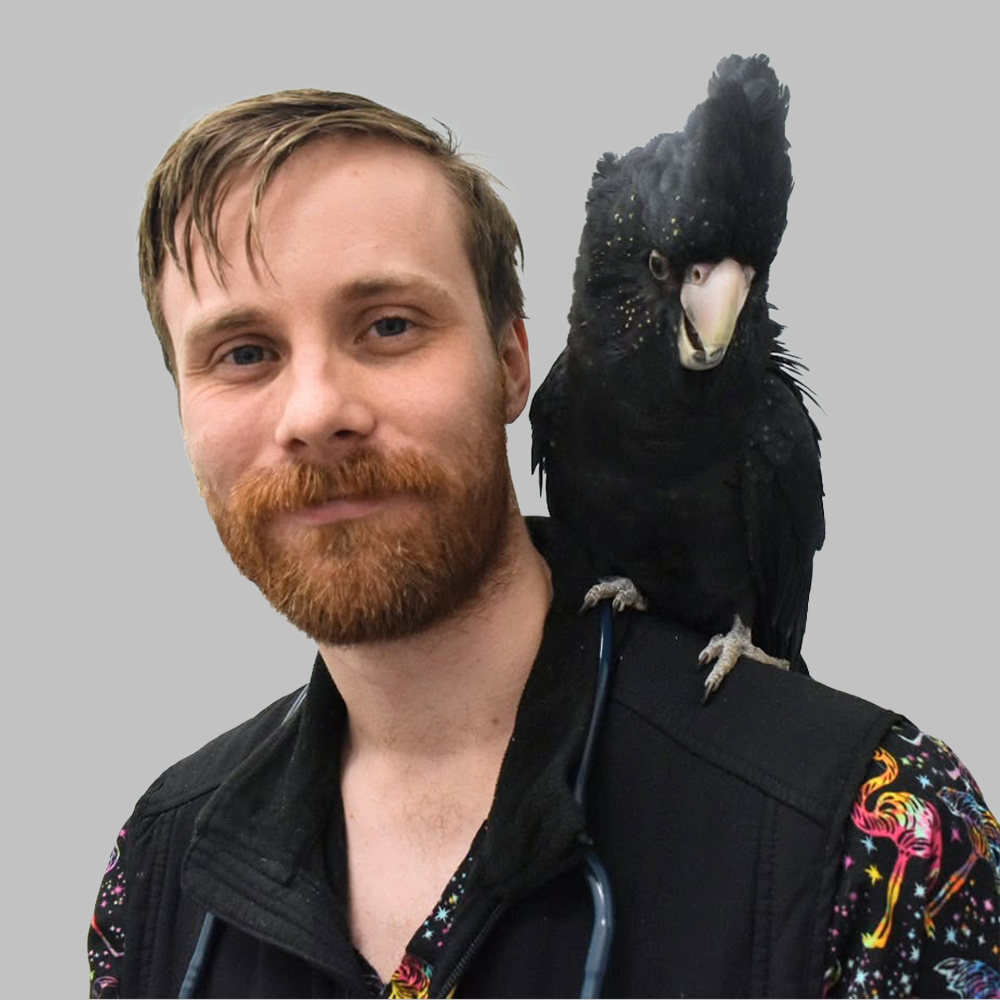
Dr Brandon Arnell
BSc (Veterinary Medicine), DVM (Doctorate of Veterinary Medicine)
Dr Brandon Arnell graduated in 2020 with a Doctor of Veterinary Medicine and has focused his career on avian and exotic animal care. His passion for birds began in childhood and grew through volunteering with Australian wildlife centres. Brandon is particularly interested in promoting high standards of avian medicine and welfare, and continues to support wildlife rescue and rehabilitation groups while helping educate the community about conservation and responsible care.
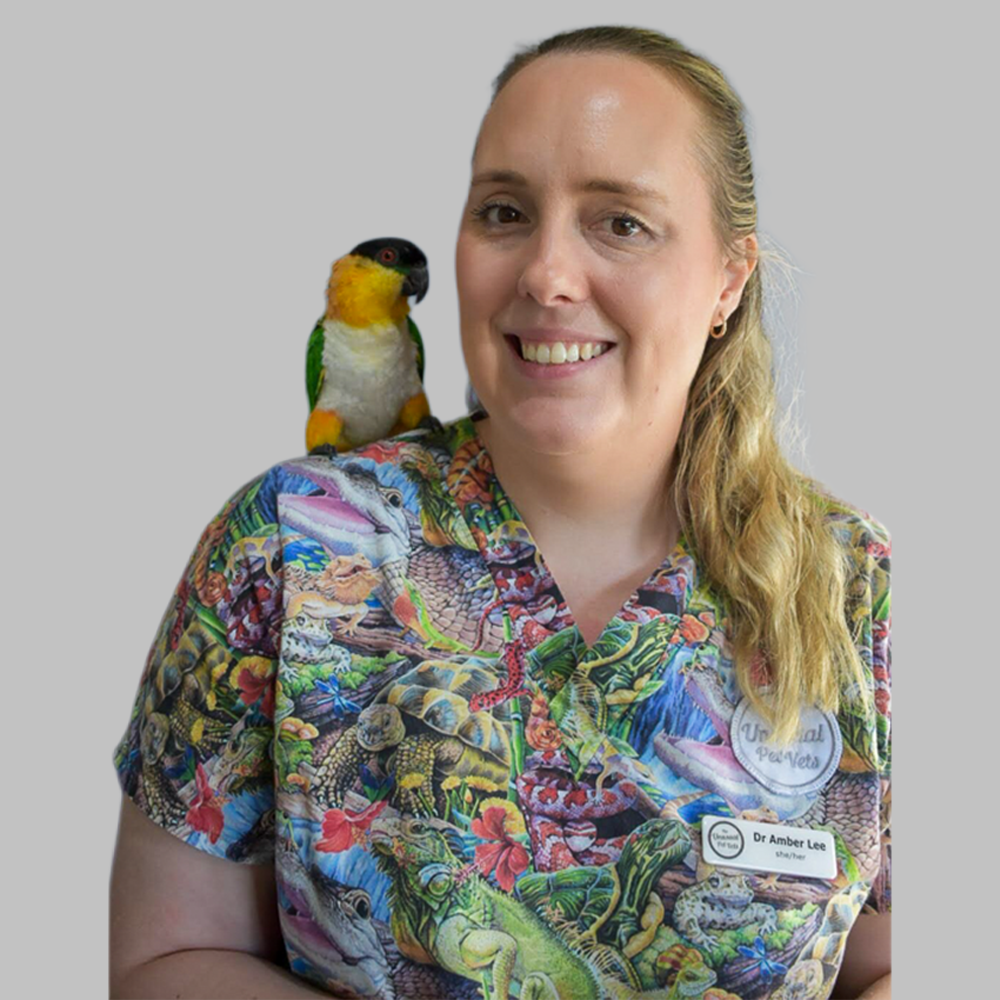
Dr Amber Lee
Chairperson
BVSc, DABVP (Avian Practice)Leads Board governance and supports AAVAC’s strategic direction.

Associate Professor Megan Jolly
Vice Chairperson & Scientific subcommittee
BRSc BVSc MVSc PhD MANZCVS (Avian Health)Coordinates the Scientific Subcommittee, including the conference speaker program and peer-reviewed proceedings.
Dr Jade Cook
Secretary, Research Subcommittee, Communications Coordinator
BVSc (Hons)Coordinates governance, meetings, records, compliance, membership administration and official Board correspondence.
Dr Brandon Arnell
General Member/ Student Liaison
BVSc DVM MANZCVS (Avian Medicine and Surgery, Unusual Pets)Supports student engagement, contributes to the Website Subcommittee and promotes AAVAC’s standards for avian medicine and welfare.
Dr Kathleen Hardie
General Member
BEnvSc (Hons) BVScContributes to the Conference Subcommittee and promotes AAVAC’s standards for avian medicine and stewardship.
Dr Courtney Dunne
General Member/ Student Liasion
BAppSc BVSc GCUT MANZCVS (Avian Health, Unusual Pet Medicine and Surgery)Supports student engagement, contributes to the 2026 Annual Conference Subcommittee and promotes AAVAC’s standards for avian medicine and welfare.

Dr Michael Cannon
General Member, Research subcommittee
DVM BVSc, MANZCVS (Avian Health), DipEd.Provides historical knowledge and continuity, contributes to Board governance and supports research initiatives through the Research Subcommittee.
Frequently Asked Questions
Why does keeping cats contained matter for birds and wildlife?
Cats are skilled natural hunters, and many of Australia’s native birds and animals have few defences against them. Even loved, well-cared-for pet cats cause real harm when left to roam and hunt freely, contributing to an estimated 390 million native animal deaths a year across Australia. Containment protects wildlife and keeps your cat safer, too.”
Is it cruel to keep a cat contained?
No, a contained cat can still live a full, enriched life; it just looks a little different. Cat trees, window perches, puzzle feeders and supervised leash time all let cats express natural behaviours like climbing and exploring safely. Many cats thrive indoors or in secure outdoor enclosures once they’re set up with the right enrichment.
How can I protect native wildlife from my cat?
The most effective step is keeping your cat contained full-time, since night-only curfews don’t protect birds and reptiles, which are mostly active during the day. Options include keeping your cat indoors, building a secure outdoor enclosure (a “catio”), or installing cat-proof fencing in your yard. Around 70% of pet cats in Australia are still free to roam, so containing yours makes a real difference.
How many birds do cats actually kill in Australia?
The numbers are significant: roaming pet cats are estimated to kill around 134 million birds a year across Australia, an average of about 40 birds per roaming cat. With an estimated 5.8 million pet cats in the country and around 70% able to roam, the cumulative impact on native bird populations is substantial.
Does bringing my cat in at night stop it from hunting birds?
Not fully. Night-only curfews can help protect nocturnal mammals, but birds and reptiles are mostly active during the day, so they remain at risk from cats that are free to roam in daylight hours. Full-time containment is the only approach that genuinely protects birds.
What are the benefits of containing my cat?
Containment protects native wildlife, but it also protects your cat. Contained cats avoid risks such as run-ins with cars, fights with other animals, and diseases or parasites transmitted between animals. With the recent arrival of a strain of Highly Pathogenic Avian Influenza that can affect cats, containment is another practical way to help protect their health. Many responsible cat owners already choose containment for exactly these reasons.