HPAI Avian Influenza: Resources for Veterinary Practices
Access AAVAC’s position statement and practical HPAI flowchart to help your veterinary team prepare for H5 bird flu while supporting safe, appropriate care for birds.
Preparedness, appropriate biosecurity and animal welfare are central to managing the risks of H5 high pathogenicity avian influenza (HPAI), also known as H5 bird flu.
AAVAC’s position statement and practical flowchart support veterinary teams assessing and caring for birds. Use these resources alongside current government guidance and advice from the relevant animal health authority.
AAVAC’s HPAI position statement
AAVAC supports a risk-based approach to avian care, rather than routinely excluding sick or injured birds because of HPAI concerns.
Our position statement outlines the principles behind this approach, including pre-arrival assessment, infection control, reporting and animal welfare. It also provides links to supporting veterinary and government resources.
Read the AAVAC HPAI position statement (PDF)
HPAI triage and response flowchart
Designed for general practices without a routine avian caseload or dedicated avian facilities, this quick-reference flowchart supports telephone triage, risk assessment and patient management.
It brings together key considerations for pet birds, backyard poultry and wildlife, including reporting, isolation and biosecurity precautions.
Using these resources
These documents apply to Australian veterinary practice. New Zealand practices should refer to guidance from the Ministry for Primary Industries (MPI).
The position statement is dated 29 September 2026. As recommendations may change, always check current national and state or territory guidance.
Supporting a specialised field of veterinary care
Birds require specific knowledge, careful handling and a strong understanding of avian health, behaviour and welfare.
AAVAC supports the people working in this field by making education, shared knowledge, events, research and professional connection easier to access.

Education
AAVAC supports ongoing learning through events, case discussions, journal clubs, guest presentations, conference opportunities and member resources.
Read more
Stewardship
AAVAC promotes responsible avian veterinary care, professional contribution and shared responsibility for bird health and welfare.
Read more
Research
AAVAC supports research and professional contribution that strengthen avian veterinary knowledge, clinical practice and bird welfare.
Read moreAAVAC Board
AAVAC is guided by veterinary professionals who contribute their time, experience and knowledge to support the association’s members, education, research activity, governance and ongoing development.
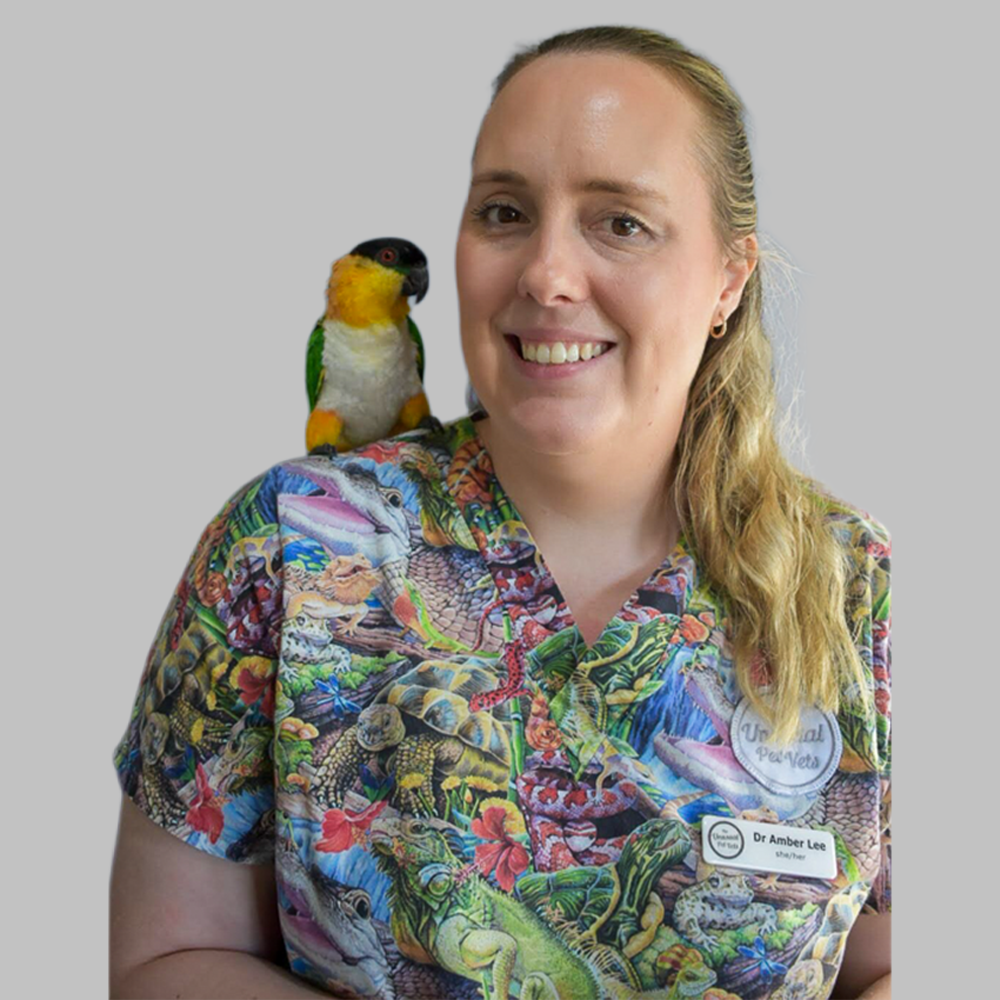
Dr Amber Lee
Chairperson
BVSc, DABVP (Avian Practice)Leads Board governance and supports AAVAC’s strategic direction.

Associate Professor Megan Jolly
Vice Chairperson & Scientific subcommittee
BRSc BVSc MVSc PhD MANZCVS (Avian Health)Coordinates the Scientific Subcommittee, including the conference speaker program and peer-reviewed proceedings.
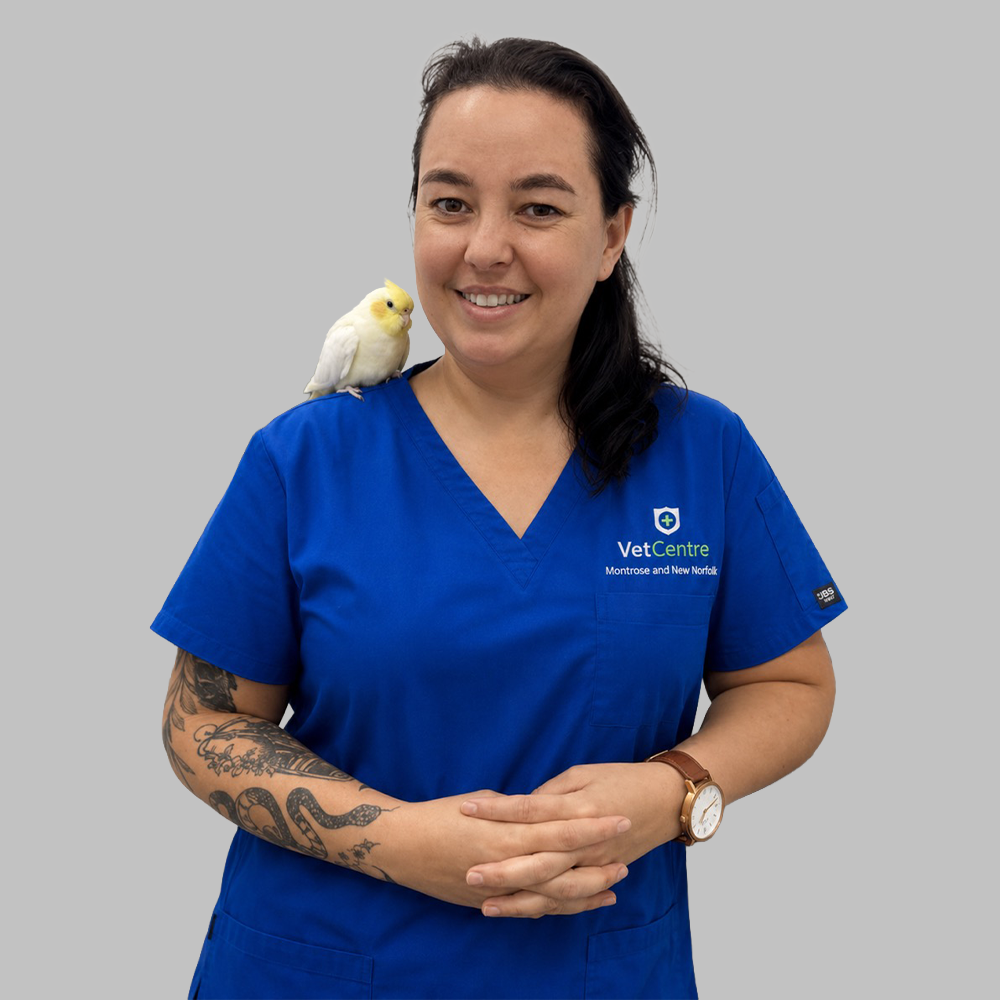
Dr Jade Cook
Secretary, Research Subcommittee, Communications Coordinator
BVSc (Hons)Coordinates governance, meetings, records, compliance, membership administration and official Board correspondence.
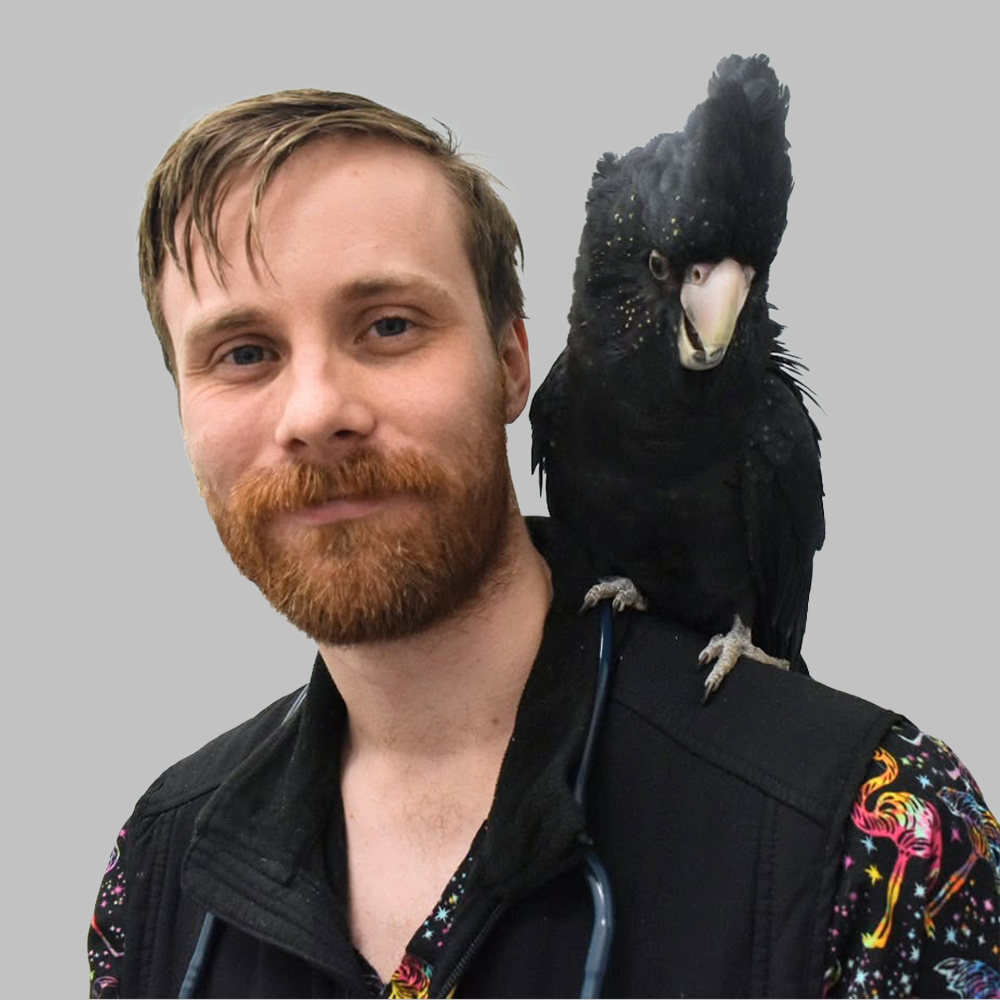
Dr Brandon Arnell
General Member/ Student Liaison
BVSc DVM MANZCVS (Avian Medicine and Surgery, Unusual Pets)Supports student engagement, contributes to the Website Subcommittee and promotes AAVAC’s standards for avian medicine and welfare.
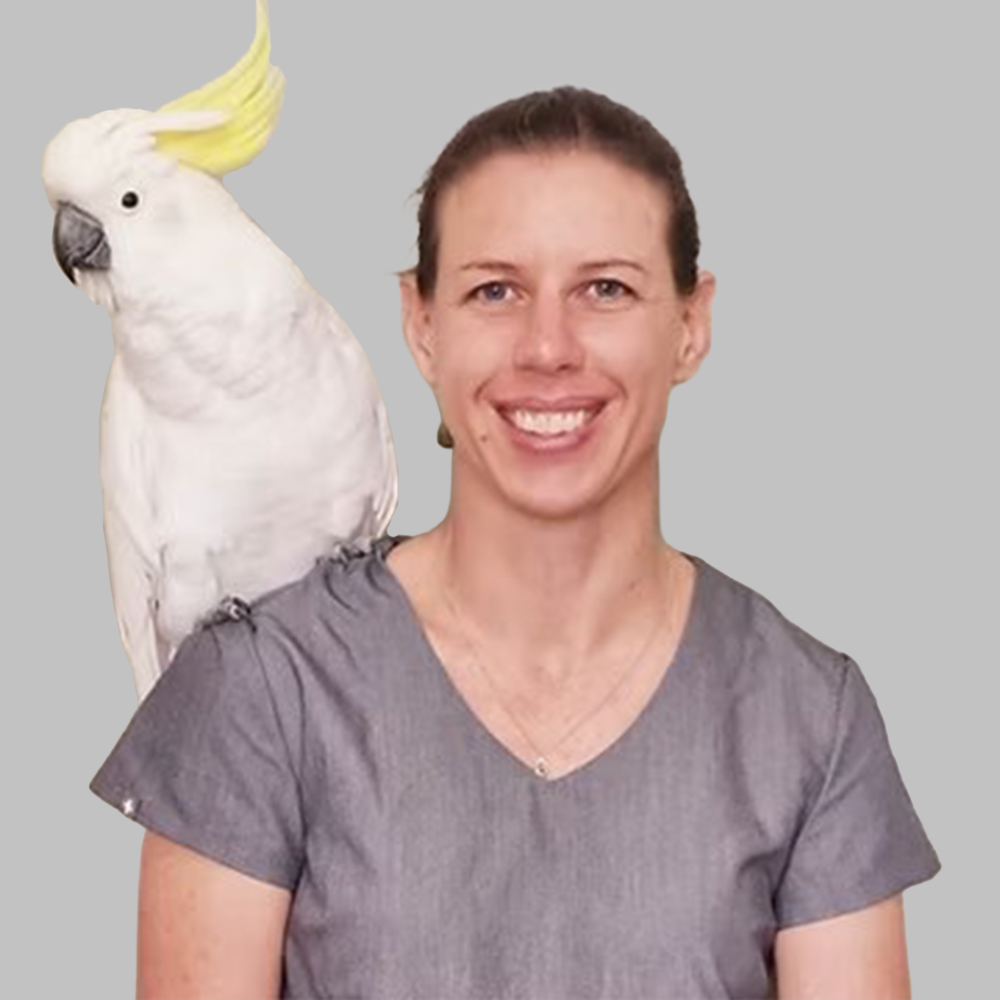
Dr Kathleen Hardie
General Member
BEnvSc (Hons) BVScContributes to the Conference Subcommittee and promotes AAVAC’s standards for avian medicine and stewardship.
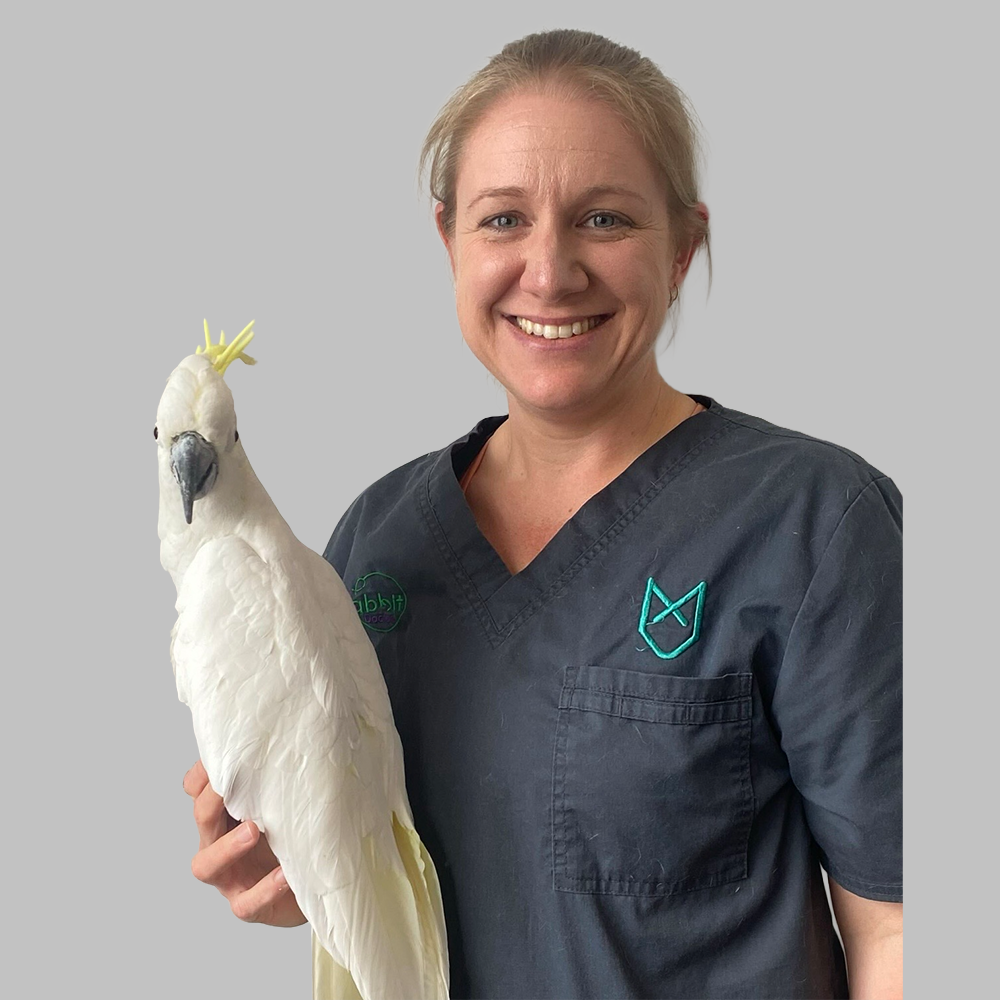
Dr Courtney Dunne
General Member/ Student Liasion
BAppSc BVSc GCUT MANZCVS (Avian Health, Unusual Pet Medicine and Surgery)Supports student engagement, contributes to the 2026 Annual Conference Subcommittee and promotes AAVAC’s standards for avian medicine and welfare.

Dr Michael Cannon
General Member, Research subcommittee
DVM BVSc, MANZCVS (Avian Health), DipEd.Provides historical knowledge and continuity, contributes to Board governance and supports research initiatives through the Research Subcommittee.
FAQs
What does HPAI stand for?
HPAI stands for high pathogenicity avian influenza. These resources focus on H5 HPAI, also referred to as H5 bird flu, and its implications for veterinary care of birds.
Who are these HPAI resources for?
The resources are intended for veterinary teams caring for pet birds, backyard poultry, aviary birds and wildlife. The flowchart is specifically designed to help general practices without a routine avian caseload or dedicated avian infrastructure.
What is AAVAC’s position on treating birds during an HPAI threat?
AAVAC supports continued access to appropriate veterinary assessment and welfare care, with precautions based on risk. A practice’s ability to manage a patient safely depends on its facilities, staffing and biosecurity measures. Suspected cases require advice from the relevant government authority.
Do these resources apply to New Zealand?
These documents apply to Australia. New Zealand veterinary practices should follow MPI guidance for local reporting requirements and management advice.
Do these documents replace government HPAI guidance?
No. They support veterinary preparedness and decision-making alongside current government guidance. The flowchart is a quick-reference companion, while the position statement explains AAVAC’s approach and links to more detailed resources.
Be part of AAVAC’s professional community
Join a specialist association supporting avian veterinary education, research, resources and professional connection across Australia and New Zealand.